


The Best Cenotes in Yucatan
 Laura Schulthies
Laura Schulthies
Laura Schulthies Daniel Mode
Daniel Mode
Daniel ModeCenotes are essentially large sinkholes or caves, usually found in sedimentary limestone rock, that have filled with cool, clear groundwater and rainwater over time. Typically created when a cave collapses on itself, Cenotes can be open-air cenotes (the roof has completely collapsed) or a cave cenote (most or all of the roof remains). Many cenotes are home to various fish, plant life and even turtles! Throughout the Yucatan Peninsula, thousands of Cenotes have become popular places for locals and travelers to cool off from the jungle heat. Here are the BEST cenotes in Playa Del Carmen, Tulum, Cancun and Valladolid.
This article contains affiliate links. If you click on our links, we may earn a small commission at no extra cost to you. This helps us continue to offer free travel guides, but does not influence our recommendations in any way. Thanks for supporting independent travel content.
Contents
Island Life Mexico is your #1 guide for all things Mexican Caribbean! Our hotel guides, restaurant guides and visitors guides are loaded with great info and recommendations so check out all we have on offer!
Ultimate Cenote List

Cenote Manatí (aka Casa Cenote)
This river-like open-air cenote is one of the most unique and beautiful in the Tulum area. Named after the manatees that used to frequent the site, Cenote Manati remains an excellent place to swim on a clear day, though the manatees no longer inhabit the cenote due to over-tourism.
Easily reached by an unpaved road around 10-12 km north of Tulum in the Tankah Bay area, the entrance is now $10 (200 pesos), which includes basic access. Lockers are available for 50 pesos, and life jackets are available as well.
Be aware that a friendly crocodile named “Panchito” now lives in the cenote, though he’s considered harmless. Panchito is a Morelet’s crocodile who has inhabited the cenote for many years and coexists peacefully with swimmers and divers. Camera fees of 100-200 pesos may be charged for GoPros and professional equipment.
This remains a popular scuba diving location as well, especially for beginners, with maximum depths of 6-8 meters. The mangrove channels offer unique snorkeling opportunities. Note that staff can be a bit pushy offering guided tours (500 pesos), and the cenote can be a bit crowded. Facilities include outdoor showers and port-a-potties, though bathroom conditions can get a little funky on hot, crowded days. A restaurant is located across the road at Casa Cenote Hotel.
Hours: 8:00 AM – 5:00 PM daily

Cenote Calavera
This interesting cenote has three holes (a mouth and two eyes), which gives it the shape of a skull. Visitors take a ladder down to an underground pool for swimming. Cenote Calavera is small but unique and wildly picturesque near Tulum. It is a more adventurous cave cenote, for sure. Jumping off the rock surrounds into the “Pit” is a bizarre experience. The three holes offer drops ranging from 8 to 25 feet.
This one is more popular for scuba divers (with halocline dives requiring advanced certification), but is well worth a check out for anyone if you have the time. Sometimes there is a rope swing you can use as well, plus a submerged swing perfect for photos! The entrance fee is 250 pesos (approximately $12-15 USD).
Important note: Cenote Calavera is now one of the more popular cenotes in Tulum and can get extremely crowded and noisy between 11 AM and 2 PM when tour buses arrive. Arrive right at opening (9:00 AM) or in the late afternoon for a better experience. Professional cameras and GoPros incur an additional 200 peso fee. The cenote is located about 3 km from Tulum center on the road to Coba, identifiable by a large white “CENOTE” sign. No lockers are available; belongings are left in designated areas. A small bar on-site serves drinks.
Hours: 9:00 AM – 5:00 PM daily

Cenote Cristalino and Escondido Cenote
Two beautiful open-air cenotes just minutes from Tulum, Cristalino and Escondido, are across Highway 307 from each other, and both are worth exploring. Great swimming and platform jumping. 300 pesos gets you access to both cenotes, and they are located about 6 km south of Tulum.
Important: All tickets must be purchased at Cenote Cristal’s ticket office, even if you only want to visit Cenote Escondido. Life jackets are included with entry (ID required as a deposit). Cristal features a 12-foot jumping platform and is right off the highway with parking. Escondido requires a 10-15 minute walk into the jungle from the highway and offers rope swings and cavern diving opportunities (200 pesos additional fee for diving).
Both cenotes feature clean bathrooms and outdoor showers. Water quality is best from October through May, and it can be murky during and after the rainy season (June-September). No lockers are available at either location. These cenotes remain less crowded than Gran Cenote or Dos Ojos, making them excellent alternatives. Arrive in the morning (9-10 AM) before crowds build, and purchase tickets before 4:00 PM for same-day entry.
Hours: 9:00 AM – 5:00 PM daily

Cenotes Yaxmuul
Adjacent to the Jungle Maya Park, the Yaxmuul Cenotes are considered some of the most beautiful in the area and are less crowded than many other cenotes near Tulum. Located 8 km north of Tulum Archaeological Zone on Highway 307, reaching them requires a 1-2 km drive down a bumpy dirt road, so most people book through tour operators.
Pricing: Basic packages start at 500-600 pesos per person and include access to 2-4 cenotes, a Mayan blessing ceremony, rappelling equipment, guide service, and life jackets. ATV tour options are available at 1,300 pesos (single ATV) or 2,000 pesos (double ATV), which include the cenote visit, Mayan ceremony, guide, equipment, and rappelling experience.
Guided tours are mandatory (not self-guided). The experience includes rappelling into cenotes, zip lines, swimming in both cavern and semi-open cenotes, and typically lasts about 2 hours. On-site amenities include a restaurant, restrooms, showers, changing facilities, and lockers. It is definitely suitable for families with children.
Hours: 9:00 AM – 5:30 PM daily

Cenote Aktun-Ha
Until only the past few decades, Aktun-Ha (translated as water cave) was a little-used cenote where taxi drivers would stop to gather water to wash their cars! A beautiful, shallow open-air cenote with deeper sections and a cave portion filled with stalactites, Aktun-Ha is a wonderful place to swim and snorkel.
Rock formations, fish and turtles can be seen through the clear water, but it’s even more fun to explore with goggles on. A deck along the edge is excellent for sunbathing and jumping off into the water (10-foot platform available). The cenote is also home to a friendly resident freshwater crocodile named “Jorgito,” who has lived here for decades and is described as “a beloved part of the Riviera Maya dive community.
Aktun-Ha is just off the road between Tulum and Coba (Road 109), about 8-9 km from Tulum center. The current entrance fee is 300 pesos for general admission. Life jacket rental is an additional 30 pesos. The site features parking, restrooms, mandatory showers, changing rooms, and a small coffee shop (Box-Ha Coffee & Lunch). Maximum depth is 50 feet in the dive areas, with main swimming areas around 23 feet deep.
Hours: 8:00 AM – 5:00 PM daily

Cenote Choo-Ha
A series of three cave cenotes near the Mayan ruins of Coba (located 6 km from the archaeological site), Choo-Ha is a refreshing place to take a dip and explore the beautiful rock structures. Its name translates as “water that drips” because of the extensive stalactites in the cenote cave.
The long wooden stairway down to this underground cenote is an adventure unto itself (watch for slippery steps when wet). The entrance fee is 100 pesos and includes access to the cenote, changing rooms, restrooms, mandatory showers, and the beautiful garden area. Life jacket rental is 50 pesos, or may be included depending on who is working. The water is relatively shallow and crystal clear, making it excellent for families with children.
Choo-Ha is part of a group with two other cenotes (Multum-Ha and Tankach-Ha), all sharing a ticket office. Unlike the other two cenotes in the group, jumping is not allowed at Choo-Ha due to shallow water. This cenote remains less crowded compared to more popular options. The site can be reached by car from Tulum (55 km, 50 minutes) or by taxi/bicycle from Coba ruins. Cash only.
Hours: 9:00 AM – 6:00 PM daily

Cenote Zaci-Ha
Cenote Zaci-Ha is a massive semi-open cenote in downtown Valladolid, just 2 blocks from the main square. With a towering arching cave over a portion of the large pool, the location is rather breathtaking in its grandeur. The water is 100 meters deep at its maximum! Better for swimming than snorkeling (water can be murky with algae), Zaci-Ha is not nearly as busy as some of the other cenotes in the area.
Important update: After being closed for nearly 3 years for repairs and renovations, Cenote Zaci is now fully reopened and operating as of 2024. Current entry is 60 pesos per adult and 30 pesos per child. Special offer: If you spend 100-200 pesos per person at the on-site Zaci Restaurant, cenote entry is free.
The cenote features an artificial waterfall that operates on weekends during peak times. Amenities include changing rooms (5 pesos), life jacket rental are included with entry, free parking at both entrances, and a restaurant with cenote views. Note that there are no lockers or lifeguards on duty. Best visiting times are early morning (before 10 AM) or late afternoon (after 4 PM) on weekdays to avoid crowds.
Hours: 9:00 AM – 5:00 PM daily

Cenote X'Canche
Cenote X’Canche is a large open-air cenote with a small recreational area, adjacent to the Ek Balam Archaeological Site. There are wooden decks and platforms for sunbathing and jumping off into the large pool. There’s also a short zipline across the cenote!
Located 1.5 km from the Ek Balam entrance, the cenote is accessed via a 30-minute walk, bicycle rental (free or 80-120 pesos depending on operator), or bicycle taxi from the ruins’ parking area. The entrance fee is 170 pesos (increased from 70 pesos in previous years), which includes cenote access and bicycle use. The zipline costs an additional 100 pesos, or you can negotiate activity packages around 400 pesos that include rappelling, ziplines, and rope swings.
The cenote features crystal-clear turquoise water with tree roots and vines hanging down, creating a picturesque setting. A waterfall cascades into the water, and the depth reaches approximately 45 meters. On-site facilities include a restaurant serving Mexican food (80-100 pesos for meals), changing rooms, outdoor showers, and free lockers (bring your own padlock). Life jackets are available. The cenote is less crowded than many others and is quite peaceful and refreshing.
Hours: 8:00 AM – 3:30 PM daily (last entry 3:30 PM)

Cenote Oxmán
One of the most picturesque cenotes in the Yucatan, Cenote Oxman’s blue waters are encircled by hanging vines and steep cave walls. Located 5-10 km from Valladolid (15-20 minute drive), Cenote Oxman is set in the historic Hacienda San Lorenzo Oxman (built in 1746), which has a pool filled with cenote water and a restaurant as well.
There are two main options to enjoy the Hacienda: Option 1 is 200 pesos and includes access to the Oxman cenote only. Visitors can use the pool but may have limited access to palapas and loungers without purchasing food or drinks. Option 2 is 400 pesos and includes access to the cenote with a 300 peso food and drinks credit for the bar and restaurant, with full use of the pool area and facilities.
Lockers are not available, so visitors leave their belongings in designated areas. The site features 80 steps down to the water level, a famous rope swing, life jackets (included with entry), changing rooms, mandatory showers, hammocks, and free parking. The kitchen closes at 4:30 PM.
The semi-open cenote sits 20-25 meters underground with clear water reaching depths of 45 meters. Morning visits are recommended before tour buses arrive in the late afternoon. Weekdays are less crowded than weekends. No diving permitted, but drones are allowed with permission.
Hours: 8:00 AM – 6:00 PM daily

Cenote Azul
A sprawling complex of turquoise blue cenotes, Cenote Azul (meaning blue in Spanish) is a popular spot for locals and tourists alike. One of the largest open cenotes in Mexico, at 600 feet wide, it features both shallow and deep sections.
Entry is 180 pesos and 100-120 pesos for children ages 4-8. Changing rooms cost 5 pesos per person. Cash only.
Azul is very busy on weekends (especially Sundays when locals frequent it) and features a combination of beautiful shallow and deep pools (shallow areas where children can stand and deep areas up to 20 feet deep), a sprawling area with a small snack bar/kiosk and picnic areas, cliff jumping off a 10 foot high natural platform, and snorkeling. All this makes it an appealing spot for families and those who don’t mind crowds. Between Playa del Carmen and Tulum, Cenote Azul is located 25 km (13 miles) south of Playa del Carmen on Highway 307 near Puerto Aventuras.
Life jackets are available for 40-50 pesos plus a 400 peso refundable deposit (or ID held as collateral). Snorkel equipment can be rented but flippers are not allowed in the cenote. Facilities include bathrooms, basic changing rooms and showers (mandatory before entry, 5 peso charge), free parking, shaded tables, benches, palapas, and walking trails around the property. No lifeguards on duty.
The main swimming area is divided into two pools separated by an elevated walkway. Additionally, smaller cenotes are accessible from the main area. The best times to visit are early morning (arrive by 9:00-9:30 AM) or late afternoon (4:00 PM) on weekdays. We strongly suggest avoiding weekends, especially Sundays.
Hours: 8:30 AM – 5:00 PM daily

Gran Cenote
One of the most famous and popular cenotes in Mexico, Gran Cenote is actually a string of cenotes connected by walking paths and underwater caves. The primary cenote is a winding river-like open-air cenote that meanders around and is delightful for swimming and snorkeling. There are several cave sections as well for exploring, and the surrounding rock formations and jungle add to the beauty of the area.
Located 5 km from Tulum Centro on Road 109 (the Tulum-Coba highway), this is a popular tour stop. The entrance fee is 500 pesos (approximately $25-30 USD). Snorkeling equipment, life jackets and locker rentals are 30 pesos each (requires ID as a deposit).
The cenote is part of the Sac-Aktun system, the world’s largest underwater cave system. Maximum depth is 33 feet, with clear turquoise water perfect for spotting freshwater turtles (including babies), tropical fish, bats in cave sections, and iguanas on land. Facilities include free parking, mandatory outdoor showers, restrooms, changing areas, wooden boardwalks and platforms, and a gear rental hut.
The site is cash only (Mexican pesos preferred). Professional cameras and DSLRs are not permitted. GoPros and phones are allowed. No sunscreen or insect repellent in the water. Expect significant crowds, especially at mid-day, so arrive right at opening (8:00 AM) for the best experience.
Transportation: Taxi from Tulum costs 200-300 pesos each way, colectivos run toward Coba for 30 pesos, or rent a car/scooter for easiest access.
Hours: 8:00 AM – 4:45 PM daily (last entry 4:15 PM)

Cenote Dos Ojos
Meaning “two eyes,” Cenote Dos Ojos is a system of two connected cenotes that provides lots of space to explore. Part of the Sac Actun cave system, this semi-open cave cenote allows afternoon sun to light up the waters beautifully.
Great for snorkeling as there are plenty of fish and abundant stalactites and stalagmites. Large areas for drying off and relaxing in hammocks are perched by the waterside. Located 20 km north of Tulum between Playa del Carmen and Tulum on Highway 307.
The current entry fee is 400-450 pesos (approximately $20-24 USD) for basic access, which includes entry to both cenotes, a life jacket (now mandatory), and parking. Snorkel rental is now 50 pesos plus a 500-1,000 peso refundable deposit (returned when the equipment is returned). Locker rental is 50 pesos. Guided tour packages, which include both cenotes, equipment, lockers, and a bat cave tour, cost 700-800 pesos.
Facilities include restaurants, bathrooms, changing rooms, mandatory showers, and hammock areas. Wildlife includes fish, bats in cave sections, and iguanas. Credit cards are accepted with a 5% surcharge. Cash is preferred.
Best times to visit: Arrive right at opening (8:00 AM) or late afternoon (4-5 PM) to avoid tour groups that typically arrive 9:30-10:00 AM. Weekdays are less crowded than weekends. Warning: Unofficial ticket sellers outside the entrance have been known to charge, so ensure you purchase tickets at the official entrance.
Hours: 8:00 AM – 5:00 PM daily

Cenote Ponderosa (Jardin del Eden)
The “Garden of Eden” of cenotes, Cenote Ponderosa (also called Jardin del Eden), is a sprawling open-air cenote of vibrant turquoise water surrounded by verdant jungle and rocky outcroppings. With shallow and deep areas (up to 15 meters/49 feet), the large cenote is popular for swimming, snorkeling, and especially scuba diving, including halocline dives where fresh and saltwater meet.
Entrance to Ponderosa is now 300-350 pesos for adults. Life jacket rental is 50 pesos, and snorkel gear is available for additional rental fees. The cenote is located between Playa Del Carmen and Tulum (25 km south of Playa del Carmen, 40 km north of Tulum) on Highway 307 near Puerto Aventuras. Cash only.
Amenities include free parking, restrooms, changing areas, mandatory showers, tables and palapas for picnics, and multiple jumping ledges at different heights (including a tree branch). A small snack bar is available serving burritos, tacos, and choripan, though options are limited so bringing your own food is still recommended. No lockers are available.
Ponderosa can be quite busy in the afternoons and on weekends, especially Sundays when locals visit, so arrive early on weekday mornings for the best experience.
Important Note: While the cenote itself is amazing, the last time we were there, the staff were a little surly.
Hours: 8:00 AM – 5:00 PM, Sunday-Friday (closed Saturdays for ecological rest and maintenance)

Cenote Suytun
One of the most Instagrammed cenotes in Mexico, Cenote Suytun has a stone path to a circular platform in the middle of its large, round pool. Located approximately 7-8 km east of Valladolid (a 13-15 minute drive), Suytun is a popular stop on tours and for good reason. This giant cave cenote is one of the more picturesque of the lot. With towering stalactites, the cave walls are a creamy grey against the bright blue waters.
The traditional pricing structure of 230-280 pesos per adult and 200 pesos per child for basic entry still exists at the gate, though the official website lists higher package prices of 350-400 pesos that include meals. Packages bundling food are available and more expensive.
Excellent for a swim and photos, but expect it to be crowded most of the time, especially between 10 AM and 2 PM. Try the early morning (arrive by 8:30-9:00 AM) for alone time and photos without crowds, though you won’t get the famous sunbeams through the hole in the roof until midday (best between 12 PM – 2 PM, especially 12:30 PM when the sun is directly overhead). The platform gets packed with people wanting photos, so expect long waits during peak hours. Weekdays are less busy than weekends.
Time limits: Maximum capacity is 150 people. During high season, visits may be limited to 2 hours; normal season has no time limit. Entry with your second cenote, Cenote Kaapeh, is included. Overnight cabañas are available on-site (1,300-2,000 pesos per night, including cenote entry).
Facilities include a restaurant and bar, gift shop, changing rooms, mandatory life jackets (included), and free parking. The water is relatively shallow (1-5 meters) and is better for photos than extended swimming.
Night tour: The special night tour costs 799 pesos per adult and 599 pesos for children ages 5-11 and includes entrance to both Cenotes Suytun and Kaapeh, a Mayan ceremony, dinner, and a drink. All conducted after regular hours.
Hours: 9:00 AM – 5:00 PM daily (last entry 4:00 PM)
How To Visit Cenotes

By Rental Car
Renting a vehicle is the most versatile choice if you plan on exploring or visiting some of the more remote cenotes. The map below will help you locate all of the cenotes listed here. We recommend booking your car here for the best prices and security.

By Cenote Tour
There are several tour options for visiting cenotes from Cancun, Playa del Carmen or Tulum. Some are part of Tulum, Chichen Itza or Coba tours, while others combine cenote visits with ziplining, ATV’s or other adventure activities.
ISLAND LIFE TRAVEL TIP : USE A VPN
When traveling internationally, we highly recommend using a VPN on your smartphone, tablet and computer to protect your security while using public Wi-Fi. VPN’s (virtual private networks) are easily installed App services that secure and protect all your internet use, from emails to web searches. The most secure and easy to use (in our honest opinion) is NordVPN which is inexpensive and top-rated in the industry. You can check it out here.
Best Cenotes In The Yucatan Map
HOW TO USE
This map shows our Best Cenotes in the Yucatan. To open the table of contents, click on the icon in the top left corner of the map. This will allow you to click on the individual cenotes or the icons on the map itself to access additional info. You can open the map in its own window to make it larger if you’d like.
Rotate mobile to expand map
More
MEXICAN CARIBBEAN
Cancun, Islands, Tulum and More
Cancun Visitors Guide
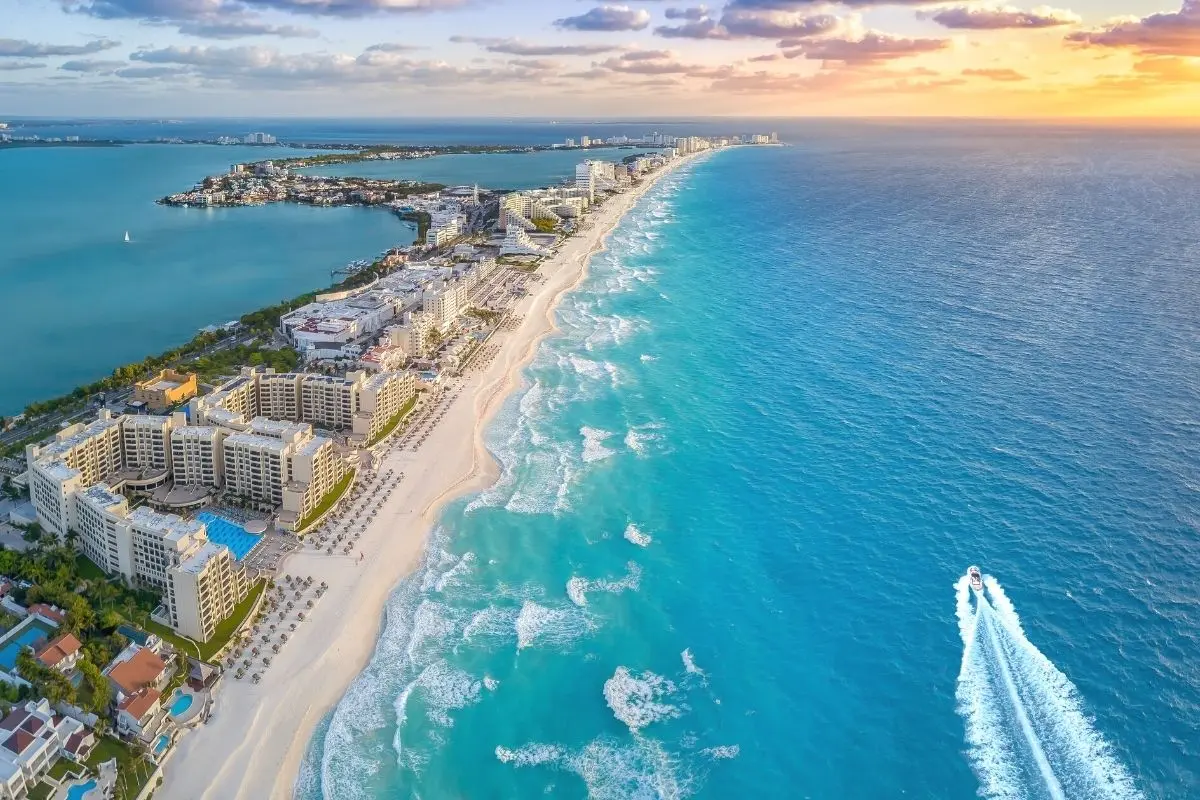
Looking to plan the perfect Cancun vacation? Cancun is one of Mexico’s largest and most popular vacation spots. Our complete guide to Cancun includes when to visit, maps, the best things to do, top attractions, travel tips and more.
Tulum Visitors Guide
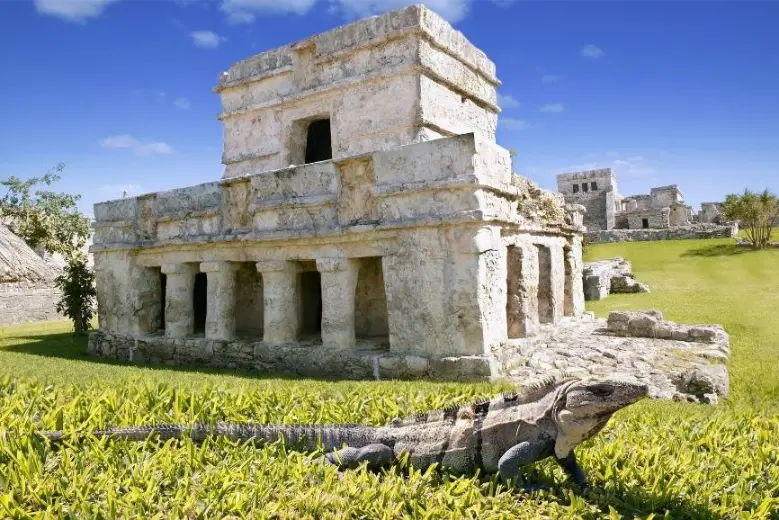
Tulum is an extraordinary destination on the Mexican Caribbean whose magic lies not only in the history of the ruins, but the energetic pull the city and sea have over those who come to visit. Here is our guide to the best of Tulum!
Cozumel Visitors Guide
The island of Cozumel holds a special place in our hearts. It’s a place where one can access all the modern amenities and STILL find numerous places to get away from it all! Here is some basic info to get you started and many of the best things to do in Cozumel.

Isla Mujeres Visitors Guide
Isla Mujeres is a beautiful small island off the coast of Mexico's Yucatan Peninsula. Often visited as pert of sailing expeditions from Cancun, Isla Mujeres has a lot to offer the island loving traveler. Here is our guide to the best of Isla Mujeres!

Holbox Visitors Guide
Holbox (pronounced hol-bosh) is an island paradise located off the northern tip of Mexico's Yucatan Peninsula. With fantastic snorkeling, no cars and a laid-back vibe, Holbox is one of our personal favorites. Here is our guide to the best of Holbox!

Isla Contoy Visitors Guide
Isla Contoy is a snorkelers paradise located just off of Mexico's Yucatan Peninsula north of Cancun. Its crystal-clear blue waters, pristine beaches, and relaxed life pace are enough to attract anyone. Here is our guide to the best of Isla Contoy!

7 Yucatan Foods That Will Blow Your Mind
The Yucatan offers some of the best seafood and unique dishes in all of Mexico. From fish tacos to ceviches and more, the Yucatan is a surprising food destination. Here are some of our favorite foods of the Yucatan!
Cozumel Beach Bar Guide
Are you looking to unwind with a refreshing drink by the Caribbean Sea? From morning mimosas to sunset mojitos, Cozumel has you covered no matter what your mood or budget. For all-day libations on the shore, check out our absolute favorite spots with a view.

Tulum Mayan Ruins Guide
For decades, travelers of all ages have been enchanted by one of Mexico’s most unique tourist locations, Tulum. The stone ruins of the ancient Mayan city sit perched over the Caribbean sea and are a mesmerizing combination of history and beauty.

Playa Del Carmen Visitors Guide
Playa Del Carmen is a jewel along Mexico's Riviera Maya. With its white-sand beaches, turquoise water, world-class amenities, nightlife, nearby Mayan cultural centers and offshore islands, there's a little something for everyone in "Playa".

Getting Around The Yucatan
All the information you need to get around the Yucatan. Times, prices and location info. Information on the bus, rental cars, taxis, ferries and even colectivos! Cancun to Tulum, Playa del Carmen to Cozumel, Cancun to Holbox and Isla Mujeres,, and more!

Packing List For Beach Vacation
Packing for beach vacations shouldn’t be hard, so we’ve put together a unique beach vacation packing list to help and included some of our favorite items. From clothes to electronics and everything in between, we've got all the tips to make packing a breeze.