


Cancun Visitors Guide
 Laura Schulthies
Laura Schulthies
Laura Schulthies Daniel Mode
Daniel Mode
Daniel ModeLooking to plan the perfect Cancun vacation? Cancun is one of Mexico’s largest and most popular travel destinations – a tropical paradise famed for its powdery white sand beaches, crystal-clear Caribbean waters, vibrant nightlife, and rich Mayan history. Whether you’re dreaming of lazy days under palm trees, exploring ancient ruins, snorkeling with sea turtles, or dancing the night away, Cancun has something for everyone.
In this comprehensive 2026 Cancun visitors guide, we cover everything you need to know: the best times to visit, safety tips, local culture and etiquette, food and nightlife, eco-tourism options, family-friendly vs. party scenes, how to get around, money matters, packing tips, beach etiquette, top things to do in and around Cancun, and more. We’ve even included insider Island Life tips from recent travelers to give you firsthand advice for an unforgettable Cancun trip. So, dust off your sunglasses, grab your swimsuit and sunblock, and get ready for the tropical vacation you’ve been waiting for!
This article contains affiliate links. If you click on our links, we may earn a small commission at no extra cost to you. This helps us continue to offer free travel guides, but does not influence our recommendations in any way. Thanks for supporting independent travel content.
Contents

Where is Cancun?

Cancun is located on the east coast of the Yucatan Peninsula by the Caribbean Sea. It is approximately an hour north of Playa Del Carmen and two hours north of Tulum. A flight from Houston or Miami is a quick two hours as well.
Adjacent to the Mesoamerican Barrier Reef (the second-longest coral reef system in the world), Cancun is in a perfect spot for turquoise Caribbean waters, white sand beaches, and world-class diving and snorkeling. This is DEFINITELY the island life!
Cancun Map

Best Time To Visit Cancun
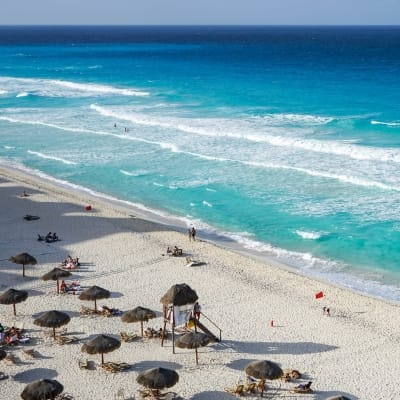
Cancun is a year-round destination thanks to its warm tropical climate, but there are distinct seasons to consider when planning your trip. The region enjoys hot, humid summers and warm, mild winters, with a pronounced dry season and rainy season. Here’s a breakdown of Cancun’s seasons and what to expect.
Cancun Seasons
Seasons Overview
Dry Season (Late November – April)
This is Cancun’s peak season with gorgeous weather, plenty of sunshine, lower humidity, and minimal rain. Temperatures hover around 75–87°F (24–30°C) in winter. March and April are the driest months (only 1–2 inches of rain). This period sees huge influxes of tourists escaping winter, so expect higher prices and crowds, especially around Christmas/New Year’s and spring break (March). Book hotels and flights well in advance for this popular season.
Rainy Season (May – October)
The weather turns more hot and humid in summer, with daily highs 88–91°F (31–33°C). Rainy season peaks from June through October, bringing short but intense tropical downpours mainly in the afternoons or evenings. September is typically the rainiest months (9 inches of rain on average). This is also hurricane season (officially June 1 – Nov 30, peaking late August through October). Major hurricanes are rare, but afternoon thunderstorms and the occasional tropical storm are possible. The upside? Fewer tourists and lower prices on resorts, plus the jungle vegetation is lush and green. If you visit in summer/fall, travel insurance is wise, and keep an eye on weather forecasts.
Shoulder Months (May and November)
Months on the cusp of seasons can be a sweet spot. May is just after high season, with warm temperatures and only moderate rain, a great time for smaller crowds and still decent weather. November (after hurricane season) often has lovely weather – warm days and only occasional showers – but without the peak-season prices. By late November, tourism picks up again for Thanksgiving and the start of dry season.
Tropical Rain: I was mid-lazy-afternoon lounge by the pool when one giant raindrop plopped right onto my book, the unofficial warning shot of a tropical rain. Within moments, sky and pool became one, and the exodus began. Sunbathers grabbing towels, kids gleefully splashing in puddles, and me standing there debating if shampooing my hair in the downpour was a socially acceptable move. Instead of fighting it, a few of us broke into a cheesy rain dance under the palapa, turning a potential mood-killer into a mini flash-mob (one guy even crooned “Singing in the Rain” off-key, which felt appropriate). Ten minutes later, as quickly as it came, the rain vanished and the sun reappeared, leaving us dripping, laughing, and oddly proud that we turned a washout into a spontaneous poolside party. -Laura
Dia de los Muertos (Day of the Dead)
Holidays and Events
- Spring Break (March): If a party scene with college crowds is what you seek, March is electrifying – major nightclubs host world-class DJs and events. If that’s not your scene, you might avoid mid-March when prices and partying are at their peak in the Hotel Zone. Many families and couples choose other months to visit or choose quieter destinations like Cozumel at this time.
- Summer Family Travel (June – August): Summer brings many families (school’s out!) and a more laid-back vibe than spring break. Yes, it’s hot and humid, but resorts compensate with fun activities, kids’ clubs, and deals. Expect afternoon thunderstorms to cool things off. Bring breathable clothing and plan pool/beach time for mornings, with indoor breaks during the steamy afternoons.
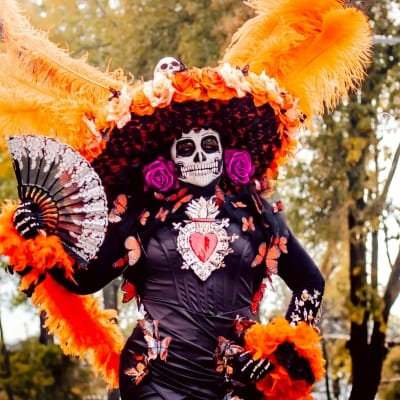
- Fall Tranquility (Sept – Early Nov): This is the quietest period. Some smaller hotels or restaurants take annual vacation closures in September. However, Mexican Independence Day (Sept 16) and Dia de los Muertos (Oct 31–Nov 2) can offer unique cultural experiences – you might catch local celebrations in downtown Cancun. This is also peak hurricane season (see below).
- Winter Holidays (Late Dec): Christmas and New Years in Cancun are extremely popular. The weather is idyllic, and tourists from around the world flock to celebrate on the beach. Resorts host dazzling Christmas dinners and New Year’s Eve parties with fireworks over the ocean. It’s magical, but you will pay top dollar. If visiting during the holidays, book many months ahead.
Island Life Tip: For the best combination of weather, cost, and crowds, many repeat visitors recommend late November to mid-December or April (after Easter). During these times, you often get sunny days and thinner crowds. Another favorite is early February: warm weather and a fun atmosphere as North Americans escape winter, plus you can catch Carnival celebrations, like Cozumel’s famous Carnival parades, if timing aligns.

Cancun Hurricane Season
Cancun hurricane season begins in late May and lasts until early November, with the peak occurring between August and October. The odds of a hurricane hitting Cancun are low (less than half a dozen hurricanes have hit the Yucatan in the past 40 years), but hurricanes traveling near Cancun can still cause inclement and severe weather. Be sure to check weather reports ahead of time, and we always suggest getting travel insurance during these months just in case.
Seaweed On Cancun Beach
Seaweed (Sargassum) Season
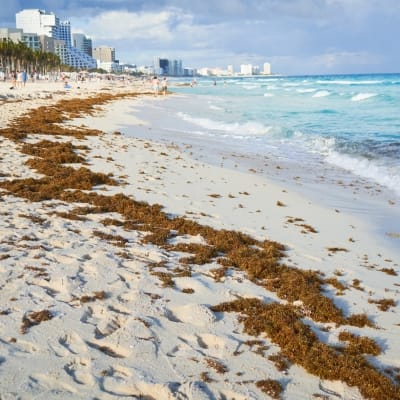
One factor to consider, especially in spring and summer months, is the sargassum seaweed that washes up on Caribbean beaches. In recent years, the sargassum season typically runs roughly from April through September. Some years are mild, and others see large mats of seaweed. 2024 was relatively light on sargassum, but 2025 saw a significant uptick, with up to 50% more seaweed on Riviera Maya beaches compared to the previous year. Cancun’s hotel zone beaches are cleaned regularly, but during peak sargassum influx, the shoreline (especially on the eastern-facing beaches) can get covered in seaweed, affecting that postcard-perfect look and giving off a sulfurous odor as it decomposes. For this reason, we often recommend Cozumel during the summer months, whose west side beaches are largely seaweed-free.
Island Life Tip: Even in heavy seaweed season, you can usually find clear beaches. Check the latest sargassum forecasts or head to Cozumel, Isla Mujeres or certain northern Hotel Zone beaches, which often have less seaweed. Resorts and the government deploy crews daily to remove seaweed, and by late fall the problem subsides as currents shift. Don’t fret – even at its worst, you can still swim (maybe wade past some seaweed), and many tours will take you to offshore reefs or cenotes for crystal-clear water.

Getting to Cancun
Flights & Entry
Getting to Cancun is usually a breeze, as it’s one of the most well-connected destinations in Latin America. Cancun International Airport (CUN) is the second-busiest airport in Mexico, with tons of direct flights from major cities in the US, Canada, Europe, and beyond. Here’s what you need to know.

Flights
You can find direct flights to Cancun from most large U.S. cities (Miami is just 1.5 hrs away, NYC 4 hrs, L.A. 5 hrs, etc.), many Canadian cities (Toronto, Montreal, Vancouver seasonal flights), and European hubs like London, Madrid, Paris, Frankfurt, etc. Multiple airlines, including American, Delta, United, Southwest, JetBlue, Air Canada, WestJet, British Airways, etc., serve CUN. With so many competitors, deals are common. Keep an eye on fare sales, especially for off-peak months. The airport is about 10 miles (16 km) from the Hotel Zone and 30 minutes by road.
Search for great deals on flights here.
Entry Requirements
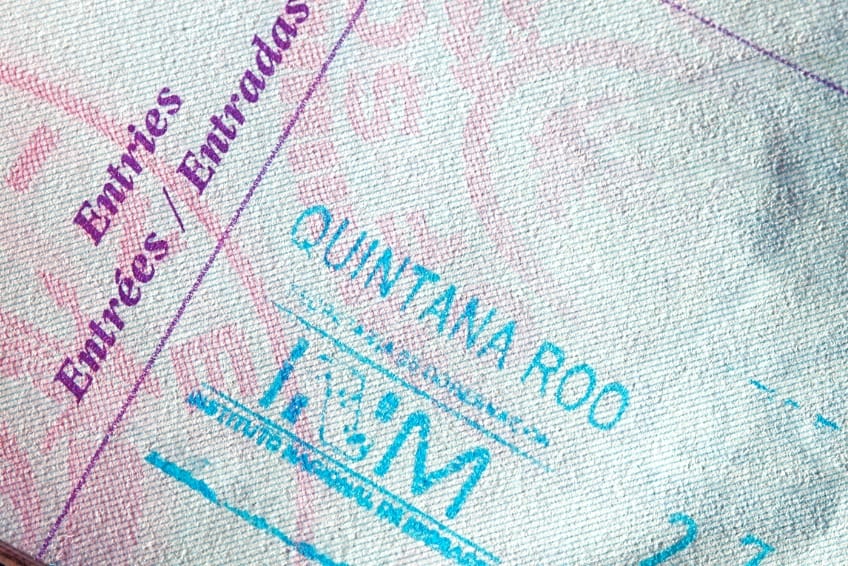
For tourists from the US, Canada, EU, UK, and many other countries, no visa is required for stays up to 180 days in Mexico. You just need a valid passport. As of 2023, Mexico has phased out the old FMM tourist card for arrivals at Cancun airport, meaning you no longer need to fill out a paper tourist card on the plane or online in advance if flying into Cancun. The immigration officer will stamp your passport with the entry date and number of days granted (usually 180 days max). It’s always good to double-check current requirements before your trip (in case policies change), but generally, Cancun entry is straightforward.

Customs & Baggage
After immigration, you’ll collect your bags and clear customs. Cancun airport uses the “random red/green light” button – press the button, and if it turns green, you walk through, if red, they do a quick bag inspection. Have your customs declaration form (if provided on the flight) ready. Note that Mexico has restrictions on bringing in fresh foods, fruits, etc., and a limit on cash (over $10k must be declared). For most tourists, it’s quick and routine.
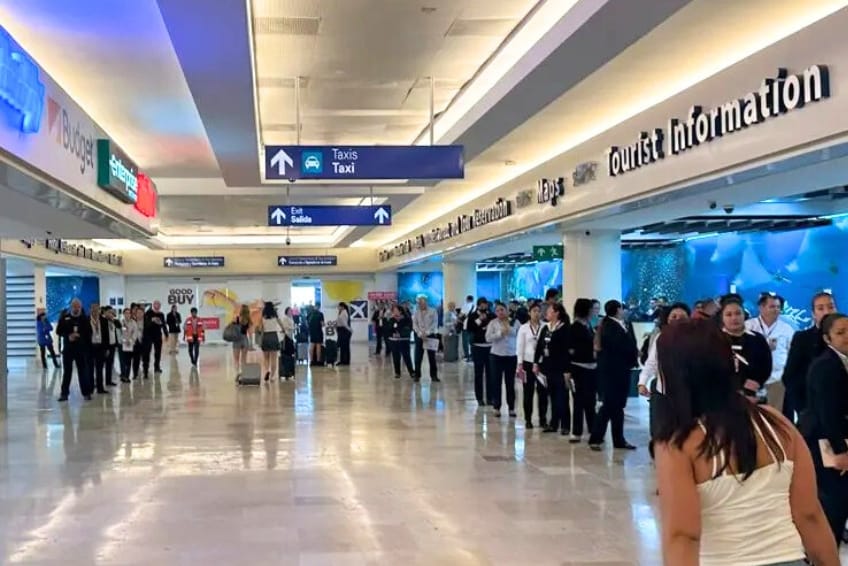
The Timeshare Gauntlet
A famous warning – once you exit customs in Cancun airport, you’ll walk through a corridor of very friendly people offering help, information, shuttles, etc. Most of these are timeshare sales reps in disguise! This area is humorously called the “Shark Tank” or timeshare gauntlet.
Island Life Tip: Do not stop for chitchat here. Smile and firmly say “No gracias” and keep walking until you are outside where the official transportation pickup is. Many first-timers get waylaid by an “airport representative” inside who is actually trying to lure you into a timeshare presentation in exchange for a “free taxi” or tour discounts. Save your precious vacation time – just meet your pre-booked transport or find authorized taxis outside the terminal.

Airport Transfers
The most convenient way to reach your hotel is to pre-book an airport transfer. Many hotels and resorts in Cancun offer shuttle services – some for free, others for a fee. Check with your hotel. Numerous companies (Amstar, USA Transfers, Cancun Shuttle, etc.) offer private or shared shuttles that will greet you just outside the terminal. Prices are usually reasonable (around $35–$55 USD one-way for up to 2-3 people in a private ride, or $15-$25 per person for shared). Booking in advance means a driver will be waiting with your name, and you can avoid haggling with taxi drivers. Taxis at the airport are available but can be very expensive (the airport union fixed rates are often higher than pre-booked shuttles). Rideshare apps like Uber were technically ruled legal in Quintana Roo, but Uber is not allowed to pick up at CUN Airport.
You can easily book ground transportation from the airport to your hotel here.

Driving
If you plan to rent a car (see Getting Around for tips), all major car rental companies have desks at the airport. There’s a main highway (Hwy 307) that connects the airport to Cancun and the Riviera Maya. Also, if you’re roadtripping beyond Cancun, note that the new Maya Train (Tren Maya) is now operational (as of late 2024) and offers a rail option to visit places like Tulum, Bacalar, Valladolid, etc., if you prefer not to drive. More on that later!
Search for great deals on rental cars here.
Getting Around Cancun
Once you’ve arrived, you’ll find getting around Cancun is easier than you might think – thanks to a variety of transportation options for every budget. Here’s a rundown of how to navigate the area.
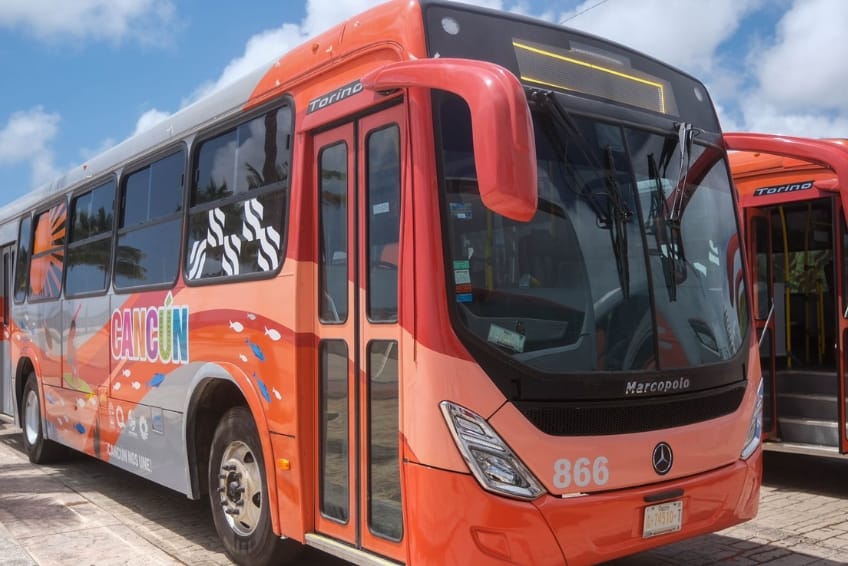
Public Buses (Ruta R1 & R2)
Cancun’s public bus system is fantastic in the main tourist areas. The red or green buses that say “Ruta 1” or “Ruta 2” run 24/7 along the Hotel Zone (Blvd. Kukulcán) and into downtown (El Centro). Hop on one to get from your resort to shopping malls, beaches, or downtown bars. Buses operate from approximately 6:00 AM to 10:30 PM daily (R2 starts at 7:00 AM on weekends), with frequent service, every 5-10 minutes on R1 and every 20 minutes on R2. The flat fare around 12 Mexican pesos (roughly $0.60 USD) per ride, cash in pesos when you board. No need for exact change; the driver will make change for small bills. Riding the bus is an authentic Cancun experience, often lively with music playing and a mix of locals and tourists. Just flag one down at any bus stop or along Blvd. Kukulcán (they’ll usually stop if you wave). When you want to get off, either press the stop button or simply tell the driver “Parada por favor!” as you approach your destination. Buses run all night (albeit less frequently at 3am), making them a great option after a night out in the Hotel Zone clubs – you’ll often see other party-goers riding back to their hotels too.

Taxis in Cancun
Taxis are plentiful in Cancun, but use them wisely. Within the Hotel Zone, taxis operate without meters – they have zone-based fares, which are notoriously high for tourists. A ride within the Hotel Zone typically costs $8–$15 USD or more, so always agree on the price before getting in. Hotels can provide a rate sheet or confirm a fair price. In downtown Cancun, taxis are metered or have lower local rates (e.g., a few dollars for a short trip), but once a tourist is involved, rates tend to inflate. If you’re staying downtown and going to the Hotel Zone, ask your hotel staff for the approximate fare so you can negotiate. Taxis between Cancun and Playa del Carmen or Tulum are an easy option, but can be quite expensive. Be sure to discuss the prices in advance of taking the ride, so you don’t get overcharged. Cash only for taxis (pesos preferred; USD accepted by most drivers but at a so-so rate).
Island Life Tip: Avoid hailing taxis right outside tourist hotspots (like nightclubs or popular beach spots) if possible, as the prices will be highest. If you walk a block or two away, you might get a better rate or find a bus. Also, keep small bills; taxi drivers often claim not to have change for large notes.

Uber & Rideshare
Uber operates in Cancun…sort of. After years of legal battles with local taxi unions, Uber became legally authorized in early 2023, and drivers do operate, but the situation remains tense. You can use the Uber app in Cancun, and many visitors have had success, especially in the downtown area or for longer rides. However, Uber drivers may avoid picking up from areas dominated by taxis (airport, major hotels, etc.) or might ask you to sit in front and pretend you’re a friend (to avoid conflict with taxi drivers). Also, sometimes Uber drivers cancel if they feel the pickup spot is too risky. Overall, Uber can be much cheaper than taxis – just be aware of the local dynamics. As mentioned, Uber is not allowed at the airport, but you could technically take a free airport shuttle to an off-site car rental lot or nearby McDonald’s and call an Uber from there (some budget travelers do this to save money, but it’s a bit of a hassle). For getting around town, Uber is a nice option if you can find a driver, and more and more drivers are signing up. There’s also a newer app called Didi (popular in Mexico City), which some drivers use in Cancun. Use your judgment; if an Uber ride would put you in an uncomfortable situation with angry taxi drivers, opt for a different mode.
Car Rental in Cancun
If you plan to explore beyond Cancun (day trips to cenotes, Tulum, etc.), renting a car can give you freedom and flexibility. All the major agencies (Hertz, Avis, Budget, local companies, etc.) have presence in the Hotel Zone and downtown, and at the airport. Rentals can be very affordable online (sometimes $15–$30 USD/day for a compact)…but beware of insurance. Mexico requires third-party liability insurance, so check if your credit card or personal policy covers it. If not, you’ll need to buy it, which can double the price. Driving in Cancun: the Hotel Zone road is modern and easy to navigate (just one long boulevard). Downtown is a typical busy city grid with some traffic and many one-way streets – a GPS or offline Google map helps. Highways to Riviera Maya destinations are generally in good shape and well-marked.
Search for great deals on rental cars here.

Is Cancun Safe?
Cancun Safety Tips
One of the most common questions travelers ask is: “Is Cancun safe?” The short answer is yes – for the vast majority of tourists, Cancun is very safe, so long as you take typical precautions. Millions of people visit this region annually without incident, and local authorities go to great lengths to keep tourist areas secure. But let’s dive into the details and tips to keep in mind.

Cancun Hotel Tourist Zone
Tourist Zones = Generally Safe
The Hotel Zone and popular tourist areas are heavily patrolled by police and tourist police. You’ll often see a visible police presence – especially at night around the clubs and on main boulevards. The government knows tourism is the lifeblood here, so they focus on maintaining a safe environment. Recent visitors frequently mention feeling safe walking around the Hotel Zone, even after dark, due to the activity and security around.
Island Life Tip: Stick to well-lit, populated areas at night. For example, walking between your resort and a nearby restaurant or bar in the Hotel Zone is usually fine, but wandering down a dark side street downtown at 2am is not advisable.
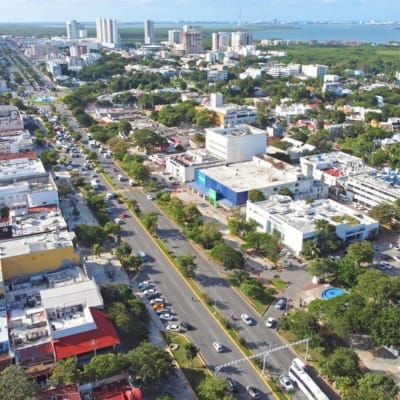
Cancun Centro
Downtown (El Centro) Safety
Many visitors also explore downtown Cancun for authentic restaurants, markets, or cheaper accommodations. Downtown is generally safe during daylight and early evening, especially in busy places like Mercado 28, Avenida Tulum, or Parque de las Palapas where families and locals hang out. Late at night, use more caution in downtown, as you would in any city. If you’re not familiar with the area, take a taxi or Uber to your destination rather than walking around backstreets. Non-touristy neighborhoods away from the center could be a little sketchy, but there’s not really any reason for a tourist to venture there anyway.
Get On The Bus Gus: I jumped on the Cancun city bus one afternoon, ready for a little local color, and got exactly that. Starting with a spontaneous serenade from a busker who hopped on with a guitar. As the driver zigzagged through traffic (with impressive confidence, I might add), the guitarist belted out a ranchera tune, and a grandma next to me nodded along while giving me restaurant tips in rapid Spanish. We laughed as I nearly toppled into her lap on a sudden stop (she caught me with an iron grip and a cackle that broke any language barrier). By my stop, I realized I’d gotten a sightseeing tour, a concert, and a friendly cultural lesson all for the price of a cheap bus fare – not a bad deal for one ride. -Daniel
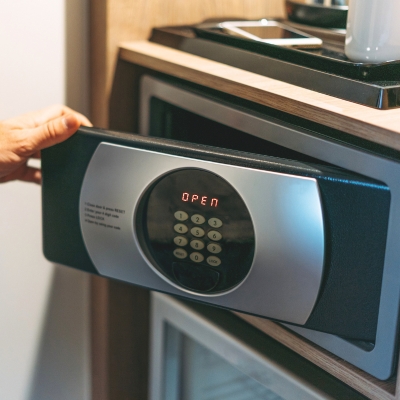
Hotel Safe
Petty Crime
The most common issues in Cancun (as with any tourist spot) are petty crimes like pickpocketing or bag snatching, especially in crowded areas or on public transport. Keep your wits about you – don’t flash wads of cash, keep your phone secure, and use the hotel safe for passports and valuables. On the beach, don’t leave your belongings unattended while you swim. If you go clubbing, watch your drink and stick with friends or other tourists when possible. These basic precautions go a long way.

“Free” Tequila Shots
Scams
Besides the airport timeshare hustle mentioned earlier, be aware of other tourist scams. In downtown markets, a vendor might slip an extra charge or give incorrect change, so count your change and settle on prices beforehand. Avoid “tourist prices” by verifying costs (e.g., ask if the chips & salsa at a restaurant are free or will appear on the bill). In nightlife zones, promoters will beckon you into bars with “free shots.” Just know that nothing is truly free. Those shots are often included in a higher cover charge or an expectation that you’ll buy overpriced drinks inside. If a deal sounds too good to be true, be skeptical.

Cancun Police
Police & Bribery
Tourists sometimes report being pulled over by police (especially when driving) and then being solicited for a “mordida” (bribe) to let them go. This practice is less common than it used to be, but if you rent a car, be prepared. If you’re stopped for a traffic violation, remain polite, and speak Spanish if you can. Often, minor infractions can be resolved with a warning or, if a fine is warranted, you have the right to ask for a written ticket to pay later (this sometimes discourages any attempt at a bribe). The tourist police (a distinct unit) are generally helpful and English-speaking. Feel free to approach them if you need help or get lost. The emergency number in Mexico is 911 for police/ambulance/fire.
Drugs In Mexico
Drug Scene
Cancun has not been immune to occasional drug cartel violence, but incidents are typically between rival groups and occur well away from tourist areas. As a tourist, the best advice is just to avoid any involvement with illegal drugs. Do not attempt to buy drugs, and certainly don’t try to bring any home. People may ask you on the street if you want drugs, so just say “no gracias” and move on. It’s that easy. Also, never carry drugs through the airport as the sniffer dogs will get you. It’s just not worth it. Enjoy Cancun’s natural highs (sun, surf, tequila) and skip the rest!

Poolside in Paradise
Women Travelers
Cancun is generally welcoming and safe for solo female travelers or groups of women. Catcalling is not especially common, and locals are used to seeing independent women travelers. Standard precautions apply. Don’t leave your drink unattended, don’t walk alone on a deserted beach late at night, and be cautious with overly friendly strangers. If clubbing, consider the buddy system or befriend other traveler groups at your resort to go out together. Many resorts have on-site clubs or bars, which are a controlled environment to have fun.
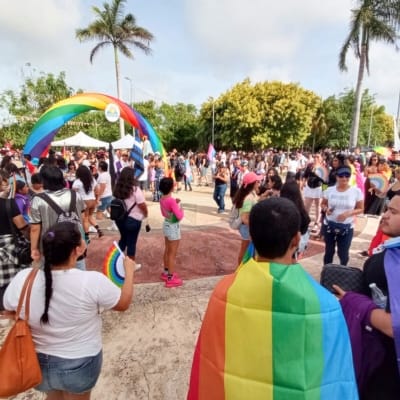
Cancun Pride
LGBTQ+ Safety
Cancun is considered one of the safer places in Mexico for LGBTQ+ travelers. Public displays of affection might draw stares in local areas, but in resorts and tourist spots, it’s usually fine. There are active LGBTQ+ events (Cancun Pride Parade each June, etc.) that the city supports. Discretion is still wise in more rural or traditional outings, but overall, Cancun strives to be inclusive.
Local Culture & Etiquette
While Cancun is a modern resort city, it’s still part of Mexico and the Yucatán region, with its own unique blend of cultures. Taking a little time to understand local customs can enrich your visit and ensure you’re a respectful traveler. Here’s a quick guide to Cancun’s culture and some etiquette tips.
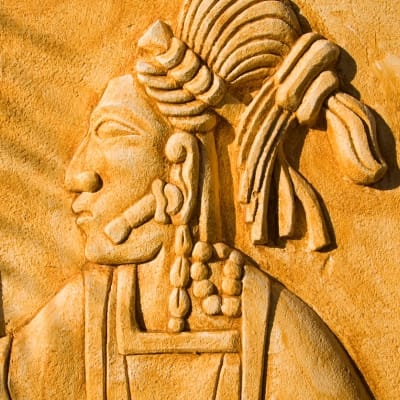
Mayan Carving
Mayan Heritage & Mexican Pride
Cancun itself was developed in the 1970s, so it doesn’t have the colonial history of older Mexican cities. However, it sits in the state of Quintana Roo, which along with Yucatán has a strong Mayan heritage. Many locals in Cancun are of Mayan descent or come from nearby Mayan communities. You’ll see references to Mayan culture everywhere – from the names of resorts and streets (Kukulcan Blvd is named after the Mayan feathered serpent deity) to the traditional embroidered clothing and crafts sold in markets. While Spanish is the dominant language, you might even hear some people speak Maya among themselves, especially if you venture to smaller towns. The local culture is a mix of this Mayan influence with broader Mexican traditions.
Oops Moment: I learned the hard way not to back up too far while taking a selfie with the Mayan pyramid at El Meco, because that’s how I nearly sat on a giant iguana resting on a warm rock. My shriek echoed across the ancient plaza, and I’m pretty sure even the stone carvings side-eyed me as the offended iguana scurried off. In my frantic attempt to apologize to a lizard, I tripped over a loose stone and executed a not-so-graceful tumble right at the pyramid’s base. On the bright side, I basically gave a bow to the temple (and an unexpected show to fellow tourists), so I’ll just call it a culturally respectful faceplant. -Daniel
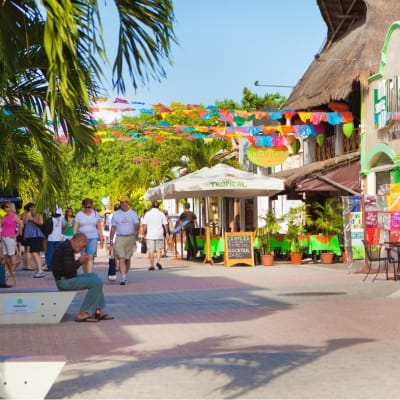
Off The Beach
What to Wear: Resorts vs. Local Areas
In your resort or around the tourist zone, things are fairly casual – beachwear is normal in beach areas, and the atmosphere is very international. However, when you go into downtown Cancun or local communities, it’s respectful to dress a bit more modestly (e.g., not just a bikini top or shirtless for men in the middle of downtown). Mexicans in cities tend to dress presentably when out and about. No one expects tourists to wear formal attire, but throwing on a t-shirt or cover-up when leaving the beach is advisable. When visiting churches or religious sites (say you do a side trip to a church or shrine), modest attire (covered shoulders, etc.) is appreciated.

Spanish Basics
Language – Spanish Basics
Cancun’s tourist workforce speaks a lot of English; you can get by easily at resorts, restaurants, tours, etc., with English only. But learning a few basic Spanish phrases will be greatly appreciated and sometimes useful, especially in downtown or when taking local transport. Simple greetings go a long way: “Hola” (hello), “Por favor” (please), “Gracias” (thank you), “Buenos días” (good morning), “Buenas tardes” (good afternoon/evening), “Cuanto cuesta?” (How much does it cost?), “La cuenta, por favor” (the check, please), etc. Even if your pronunciation isn’t perfect, locals will usually smile and help you out. Yucatán Spanish is considered clear and a bit slower than the rapid-fire slang of Mexico City, so it’s a nice place to practice.
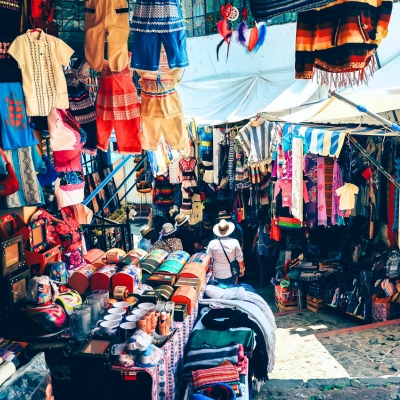
Mexican Marketplace
Bargaining
In souvenir markets like Mercado 23 or with beach vendors, haggling is expected. It’s part of the culture – done with a smile and good humor. You can often counteroffer around 50-60% of the initial price and negotiate to somewhere in the middle. That said, don’t try to bargain in supermarkets, convenience stores, malls, or restaurants. Those prices are fixed. It’s really for informal market stalls or tours sold by independent beach vendors. If you know a bit of Spanish, use it in bargaining. It might score you a “precio amigo” (friend price).
Travel Hack! After having my beach nap interrupted one too many times by beach vendors, I finally devised a sneaky relaxation hack. I slapped on a pair of headphones (I wasn’t even playing music) and pulled a big floppy hat over my eyes. Magically, even the most persistent souvenir vendors left me alone, assuming I was either asleep or blissfully deaf to their sales pitches. I actually got to enjoy the sound of the waves for once – proof that sometimes the best way to say “no, gracias” is by pretending you can’t hear the question!
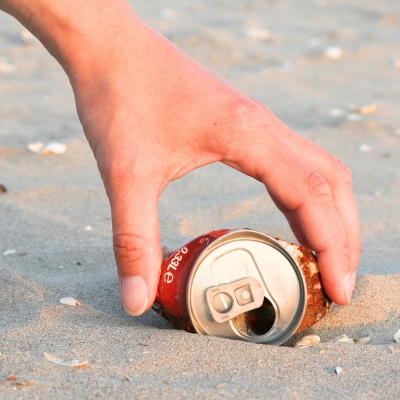
Keep Beaches Clean
Respect for the Environment
The local culture, especially with Mayan influence, has a respect for nature. Cancun’s environment is fragile – coral reefs, mangroves, sea turtles nesting, etc. Show your respect by not littering (sadly, some partygoers do – but let’s not be those people). If you smoke, don’t leave cigarette butts in the sand. If snorkeling or diving, do not touch coral or marine life, as this can seriously damage the ecosystem. Many locals work hard on conservation (for example, protecting turtle nests on the beaches and releasing hatchlings in summer). You might even get a chance to volunteer or observe a baby turtle release at some resorts in nesting season!
Money & Tipping
Navigating currency in Cancun is fairly straightforward, but here are the key things to know to avoid any money hassles.
Peso Coins
Using Mexican Pesos (MXN)
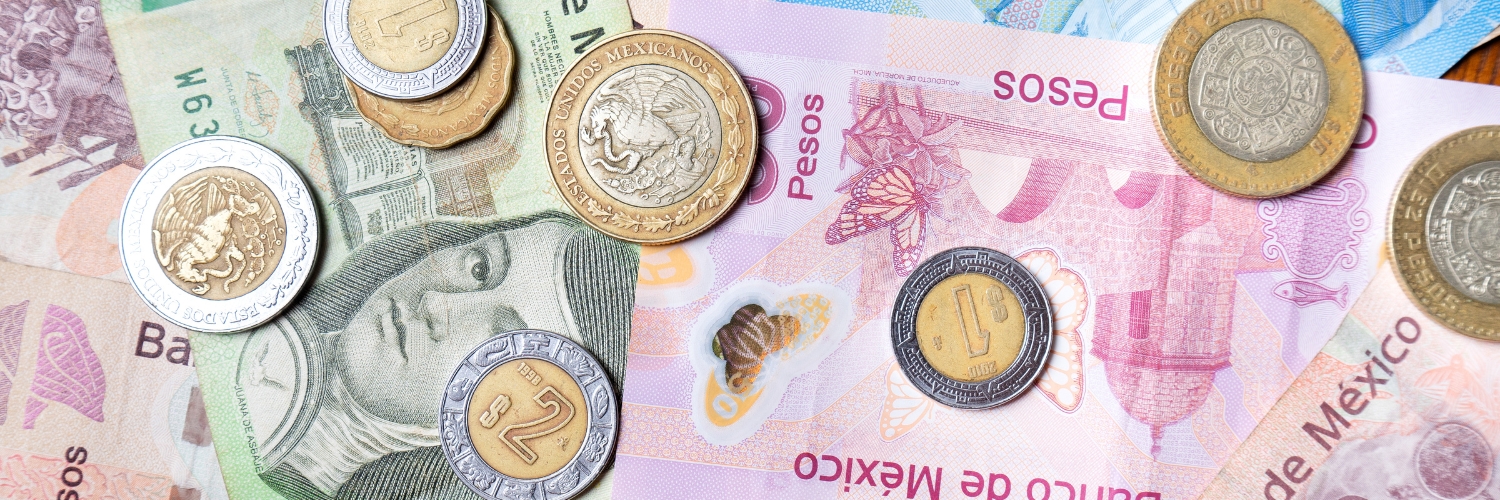
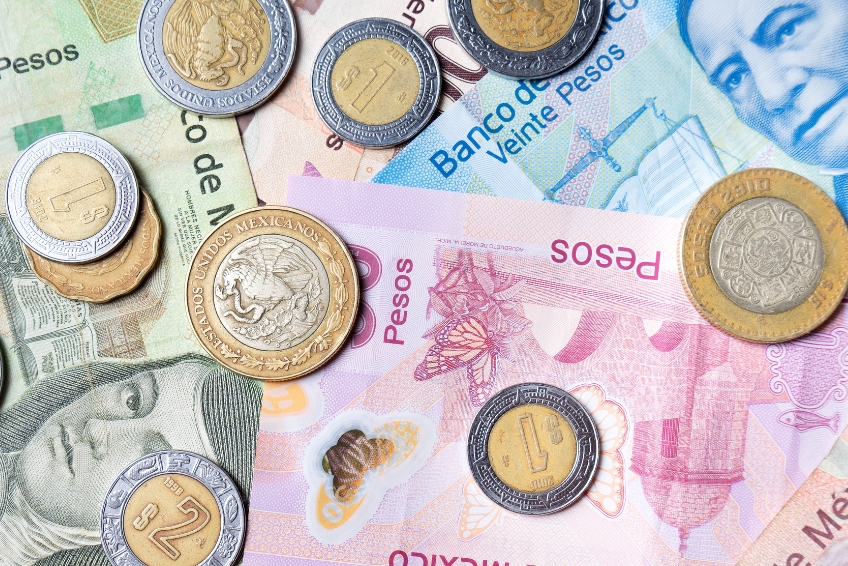
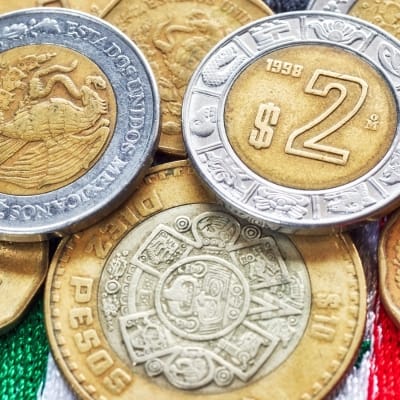
The official currency is the Mexican Peso (often shown as $ or MXN). Bills come in denominations like 20, 50, 100, 200, 500, 1000 pesos, and coins in 1, 2, 5, 10 pesos (and smaller cents). At the time of writing, $1 USD = 18-20 Mexican pesos (exchange rates fluctuate).
Island Life Tip: When you see prices written as “$100” in Mexico, that’s 100 pesos (about $6 USD currently), not 100 dollars. It can be confusing since the symbol is the same! Some places use “MX$” to denote pesos, but many just use $ sign locally.

US Dollars
Using U.S. Dollars (USD)
U.S. dollars are widely accepted in Cancun’s tourist areas, but be cautious when using them. Many tour companies, excursion vendors, and souvenir shops will quote prices in USD, and you can pay in USD cash. However, the exchange rate you get may not be ideal. They might round $1 to 16 pesos when the official rate is 20, for example. Over many purchases, that difference adds up. Additionally, any change they give you will likely be in pesos. It’s usually better to use pesos for most transactions to get fair pricing, except perhaps for big ticket tours priced in USD where it’s a fixed rate.

ATMs in a Supermarket
ATMs
Often, the easiest way to get pesos is at ATMs, which are everywhere. At the airport, in shopping malls, at banks downtown, etc.. Use ATMs affiliated with larger banks (HSBC, Santander, Scotiabank, BBVA, Banamex, etc.) rather than random ATMs in convenience stores or hotels for better security and rates. Avoid ATMs that look tampered with or those in very isolated spots. Also, beware of high fees, as some ATMs charge $5-7 USD per withdrawal, plus your bank’s fee. If your bank refunds international ATM fees or has partners (e.g., Bank of America has a partnership with Scotiabank in Mexico), plan accordingly.
Island Life Tip: Decline the conversion. All ATMs charge a convenience fee, but after agreeing to that fee, they usually offer to convert the transaction to dollars instead of pesos. Always decline the conversion. Choose to be charged in pesos, as your home bank will handle conversion and give you a much better rate.

Currency Exchange
Currency Exchange Bureaus (Casas de Cambio)
There are exchange booths in the Hotel Zone and downtown. Rates vary, so check a couple. They can be convenient to change $50 or $100 USD to pesos. You’ll need your passport for larger exchanges. Airport exchange counters are okay for a small amount on arrival, but tend to have weaker rates. It’s better to exchange larger sums in town. Some travelers bring crisp $100 bills and exchange them as needed. This is fine, just remember you can’t technically bring more than $10,000 USD in cash without declaring. Realistically, bringing that much cash is risky and unnecessary. ATMs work better for most people.

Credit Card Machine
Credit/Debit Cards
Visa, MasterCard, and, to a lesser extent, American Express are widely accepted in resorts, restaurants, shops, and tour agencies. Always choose to be charged in pesos (if an option is given) to avoid the dynamic currency conversion markup. Let your bank know you’re traveling to avoid fraud holds. Chip-and-PIN is common in Mexico, but most places will swipe or take a signature for foreign cards.
Tacos!
Budgeting
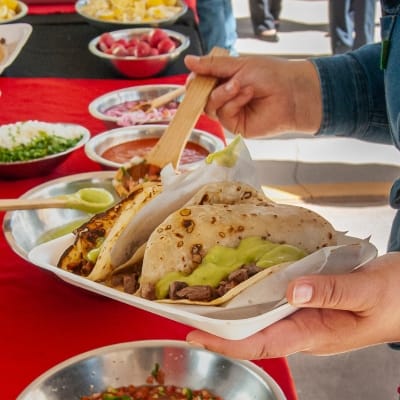
Cancun can be as expensive or as affordable as you make it. High-end resorts, gourmet restaurants, and tour packages will cost similar to US/Canada prices. But if you eat at local taco stands, take buses, and stay in modest accommodations, you’ll find things quite cheap. For example, a simple taco might cost 20-30 pesos ($1-2), a local beer 30-50 pesos ($2-3) at a casual bar, while a fancy cocktail at a club could be 240 pesos ($15). Water or soda might be 20-30 pesos in a store, or triple that at a tourist site. Basically, tourist-zoned prices (especially in USD) will be higher. If you’re on a budget, do explore downtown for better prices on food and souvenirs, and consider shopping at supermarkets for snacks or drinks (there’s a Walmart and several large groceries in downtown).
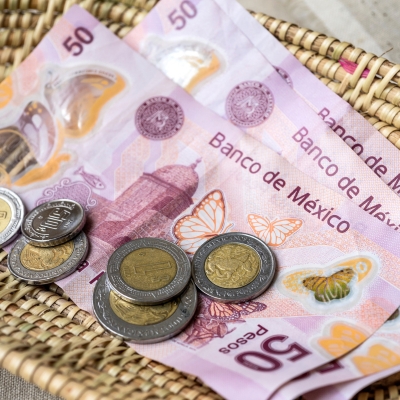
Tipping in Pesos
Tipping
Tipping is customary in Mexico and especially in tourist areas where service industry wages are low. Here’s a quick guide:
- Restaurants: Standard tip is 10% – 15% for good service, 20% if exceptional or at high-end places. Some places might automatically add a service charge (especially for large groups); check the bill for “propina” (tip) or “servicio incluido”. If not included, leave pesos cash or ask the server to add a tip to your card charge. Note that credit card slips in Mexico often won’t have a tip line, so if paying by card you may need to tell the server how much total with tip before they run it, or tip in cash.
View More Tipping
- Bartenders: Tip roughly 20-40 pesos ( $1-2 ) per round or per couple of drinks, depending on the complexity of the order. If at an all-inclusive resort, tipping bartenders (and waiters) is optional but very appreciated – and you might notice your drinks get even stronger when they know you’re a tipper! Many all-inclusive guests bring a stack of $1 bills or 20 peso notes to hand out for bar service.
- Hotel Staff: It’s polite to tip the bellhop who handles your bags ( $1 USD or 20 pesos per bag ), the housekeeper (maybe 50 pesos per day left in the room; more if you have a suite or lots of people in the room), and the concierge or anyone who goes out of their way to help. Some people also tip the security guard or parking attendant a small amount if they assist you.
- Tour Guides & Drivers: For organized excursions, it’s common to tip the guide around 10-15% of the tour cost if they did a great job, or at least 100-200 pesos per person for a full-day tour. Bus drivers or van drivers appreciate maybe 50-100 pesos (a couple bucks) from a group. If you do a fishing charter or dive boat, tips for the crew are very much expected (they often rely on them).
- Taxis: Technically, not required to tip taxi drivers – and indeed locals usually don’t tip taxis if they negotiated a fare. But if a driver helped with bags or was very nice, rounding up or adding 10% is a nice gesture. Same with Uber drivers – not expected, but you can add a tip in-app if you want.
- Spa/Services: If you get a massage or spa treatment, 15% is a normal tip. For barbers or salons, similar or whatever you’d tip back home.
- Grocery baggers / gas station attendants: In Mexico, it’s customary to tip the baggers at supermarkets (they often work for tips only) – a few pesos is fine. At gas stations (which are full-service), many people tip the attendant about 5-10 pesos for cleaning windshield and pumping gas.
Currency for Tips: It’s best to tip in pesos whenever possible. USD is accepted, but then the worker has to exchange it. If you do tip in USD, $1 bills are fine for small tips, but try not to give torn or very old bills as Mexican banks sometimes reject those. Many travelers bring a stash of $1s and $5s for tipping convenience at the start until they get pesos.
Island Life Tip: A small tip by your standards can mean a great deal in local spending power. So if you’re happy with the service, show some love – you’ll likely get it back in spades.
Food & Drink in Cancun
Get your taste buds ready! Cancun’s food scene is fantastic and diverse. From authentic Mexican tacos to fresh Caribbean seafood to international fine dining, there’s something for everyone. Eating (and drinking) well is a highlight of any Cancun trip. Here’s what to know about grubbing in paradise.
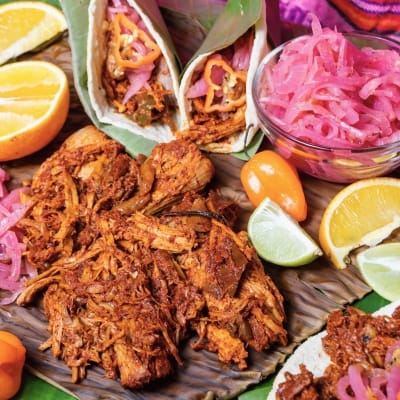
Cochinita Pibil
Local Cuisine & Must Try Dishes
Cancun draws people from all over Mexico to work, so you’ll find regional dishes from across the country. But being in the Yucatán, Yucatecan and Mayan-influenced food is especially notable. Some things to taste:
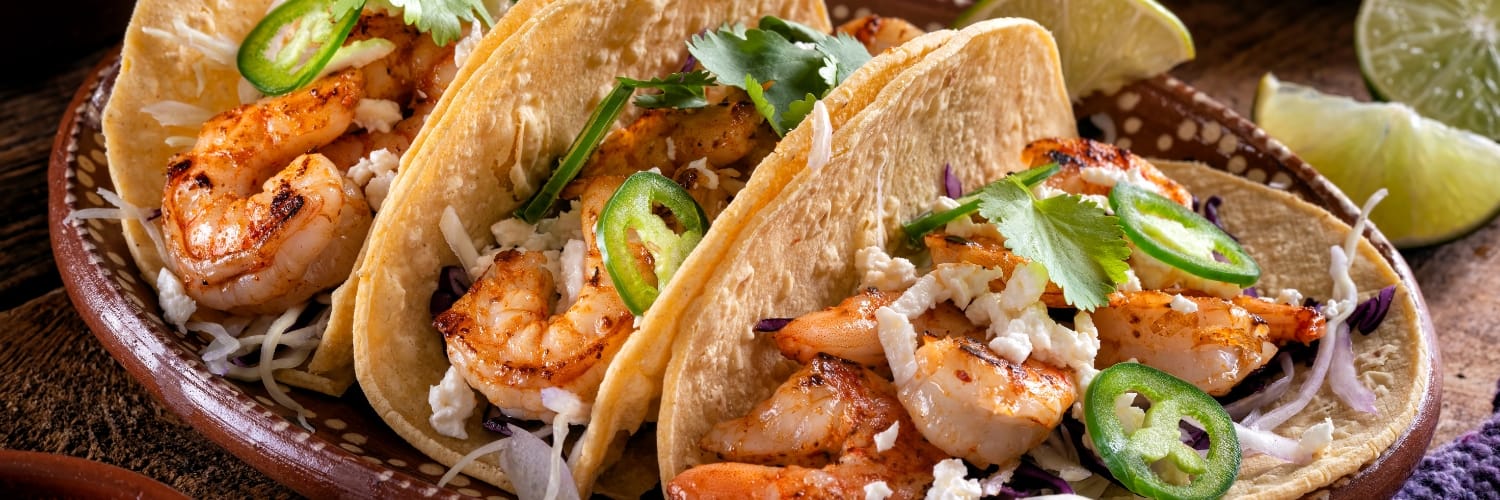
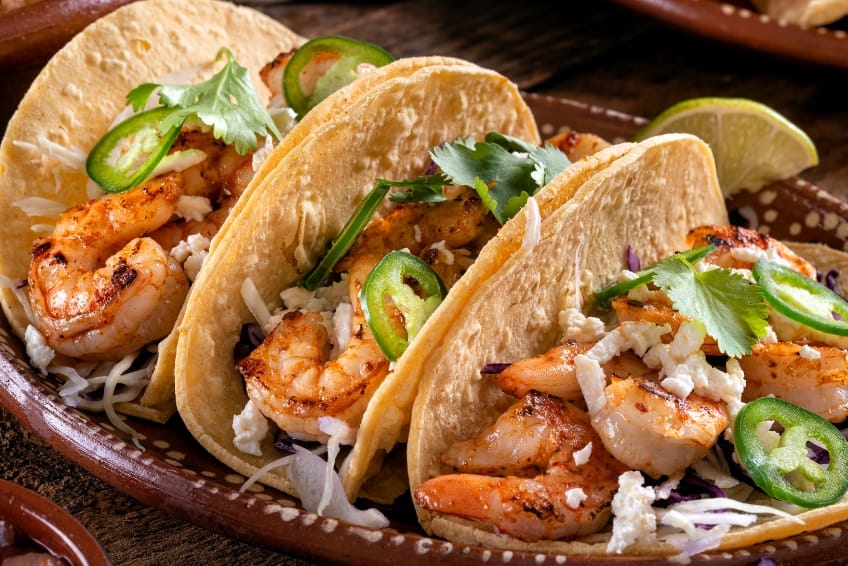
- Tacos & Street Food: You can’t go to Mexico and not eat tacos! In the Hotel Zone you’ll find some touristy taco spots, but for the real deal, head downtown or to local joints. Tacos al Pastor (marinated pork shaved off a vertical spit, topped with pineapple, cilantro, onion) are a favorite – look for the spinning spit at taco stands. Fish tacos (typically Baja style, beer-battered and fried fish with cabbage slaw and crema) are perfect given Cancun’s coastal location. Also try taco de cochinita pibil – a Yucatan specialty of slow-roasted achiote-marinated pork, typically served mornings (makes a great breakfast taco). Street food finds: empanadas, salbutes and panuchos (Yucatecan puffy tortillas with toppings), elotes (grilled corn with mayo, cheese, chili) sold from carts in the evening, and marquesitas – a must-try dessert: they’re crispy rolled crepes usually filled with edam cheese and something sweet (like Nutella or cajeta caramel). You’ll smell marquesitas being made at night near parks – follow your nose!
View More Local Cuisine
- Seafood: Being on the Caribbean, Cancun offers delicious seafood. Ceviche is popular – finely diced fish or shrimp “cooked” in lime juice with tomato, onion, cilantro, often served with tortilla chips or tostadas. Aguachile is a spicier version (shrimp in a lime-chili marinade). Tikinxic is a Mayan-style whole fish marinated with achiote and grilled in banana leaf – often found on Isla Mujeres or local beach shacks. You can find lobster dinners (especially on Isla Mujeres or upscale Hotel Zone places) – sometimes even all-you-can-eat lobster nights. Don’t miss trying fish tacos or shrimp tacos; even upscale restaurants will do gourmet twists on them.
- Yucatecan Specialties: The Yucatán has unique dishes different from what you might know of “Tex-Mex” or central Mexican food. Besides cochinita pibil, try papadzules (tortillas dipped in pumpkin seed sauce, like Maya enchiladas), sopa de lima (a comforting chicken and lime soup with tortilla strips), pollo pibil (chicken cooked like cochinita with achiote), and pan de cazón (layers of tortillas with black beans and shark or fish, in tomato sauce – kind of like a Mexican lasagna). If you’re adventurous: huevos motuleños (eggs on tortillas with beans, plantains, salsa – a popular breakfast from nearby Motul), or lechón al horno (roast suckling pig Yucatan style). Many local restaurants in downtown will have a section of Yucatecan cuisine on the menu.
- Cultural Mix: Cancun’s cosmopolitan nature means you can also find great international food: Italian trattorias, Japanese sushi bars, Argentine steakhouses (love that grilled meat!), and American chains if you really need that Starbucks or McD’s fix (they’re there). But while in Mexico, we recommend indulging in Mexican and regional foods as much as possible – it’s part of the experience. Even vegetarians and vegans will find options; there are a few vegetarian restaurants downtown and many places offer veggie adaptations (like mushroom or bean tacos, etc.).
Taco-licious: On a balmy evening I joined a local food tour through Cancun’s backstreets on a mission to find the ultimate taco, and each little taquería came with a side of story. At one street stand, I properly ordered “dos tacos al pastor, por favor,” and got a thumbs-up from the cook when I pronounced it correctly. By the third stop, our small tour group was swapping jokes like old friends, united by the fiery salsa and the fact that we’d all definitely busted our daily calorie count. It wasn’t just a food tour; it felt like a crash course in Mexican hospitality, complete with full bellies, tingling lips, and big smiles all around.
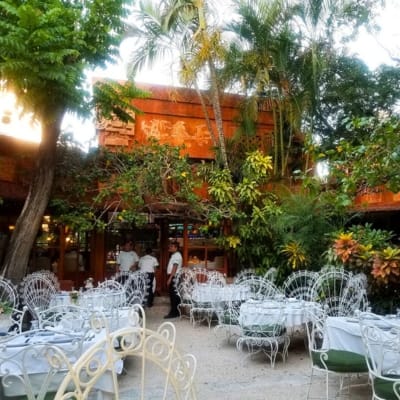
La Habichuela Downtown
Dining in the Hotel Zone vs Downtown
- Hotel Zone Restaurants: These cater to tourists and offer convenience and ambiance, often with lagoon or ocean views. You’ll find many upscale eateries here, from seafood grills to steakhouses to modern Mexican cuisine. The prices will be in USD or high-end pesos (expect to pay U.S./Europe prices at fine dining spots). Examples: restaurants at La Isla or Luxury Avenue malls, or famous spots like Lorenzillo’s (seafood over the lagoon with live lobster tanks), Puerto Madero (Argentine steakhouse), or Thai Lounge (beautiful setting with overwater tables). The Hotel Zone is also home to many chain restaurants (Hard Rock Cafe, Hooters, Outback, etc.) if familiarity is desired, though local spots are far more interesting.
- Downtown Dining: For a more authentic (and affordable) food experience, venture to downtown (El Centro). Yaxchilan Avenue is known for its cluster of local restaurants and bars. Parque de las Palapas has food stalls in the evenings selling tacos, marquesitas, churros, etc., great for a street food dinner. Mercado 28 has eateries too (some geared to tourists with combo meals). Popular local restaurants downtown include Los de Pescado (great fish tacos), El Polilla, La Habichuela (a long-standing Mayan cuisine restaurant, more upscale), La Parrilla (fun traditional Mexican with mariachi), and Tacos Rigo or Tacun for late-night tacos. Prices downtown will be much gentler on your wallet, and you can feast on authentic food for the price of an appetizer in the Hotel Zone. Plus, you’ll be surrounded by more locals.

Resort Buffet
All-Inclusive Resort Food
If you’re staying at an all-inclusive, you’ll have abundant food on-site. Resorts usually have several restaurants: buffets, a la carte specialty restaurants (Italian, Asian, Mexican, etc.), snack bars by the pool, etc. Quality can vary significantly by resort, but the top resorts have truly gourmet offerings. It’s easy to just eat at the resort (and you’ve already paid for it), which is fine, but do consider trying at least one meal outside to experience real local flavors. Even AI resorts’ “Mexican night” may not capture the essence of a hole-in-the-wall taco joint. One idea: do lunch off-resort one day or hit up a downtown spot on a day you’re out on an excursion.
Island Life Tip: Many all-inclusives include one “dinner off property” at a partner restaurant or have a dine-around program. Ask your resort, you might be able to have, say, a lobster dinner at a restaurant in the Hotel Zone as part of your package. Also, if you get sick of resort food (buffet burnout is real after day 5), there’s no rule saying you can’t eat elsewhere. It’s your vacation. Enjoy all the options!
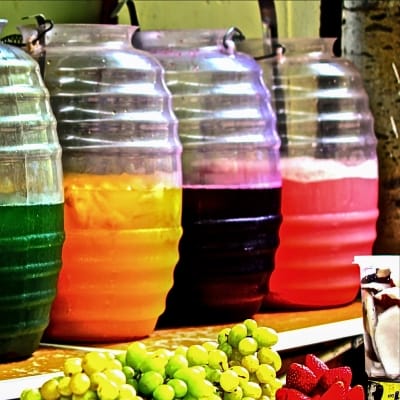
Agua Frescas
Drinks
- Alcoholic: You must sample a margarita or three while in Cancun. They taste better by the sea! Beyond the classic lime margarita, try flavors like mango, tamarind, or strawberry. Another refreshing drink is the paloma – tequila with grapefruit soda (Squirt) and lime, usually served in a salt-rimmed glass. Of course, tequila shots are a staple for many, but remember the good stuff is meant to be sipped, not slammed (but we won’t judge your party). Cancun clubs will also introduce you to mezcal (smokier cousin of tequila), which is worth trying if you like bold flavors. For beer, Corona and Modelo are ubiquitous, but also look for Dos Equis, Bohemia, Victoria or the darker Negra Modelo – all solid Mexican brews. At convenience stores, a cold 40oz of beer (caguama) is a fun novelty if you’re having a casual hangout.
- Non-alcoholic: Agua frescas are on offer almost everywhere, and typically, a café, restaurant or bar will have a daily special. Agua de Jamaica (hibiscus iced tea), horchata (sweet rice milk with cinnamon), and fresh fruit juices (so many tropical fruits!) will keep you hydrated.
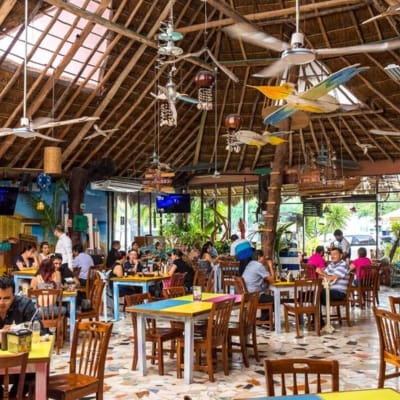
Lunch In Cancun
Dining Times
One thing to note is that local Mexican dining times can be a bit later. Breakfast can be 8-10am. Lunch (comida) is typically 2-4pm for locals. And Dinner is often 8-10pm or even later if out dancing. However, since Cancun runs on a tourist schedule, you’ll find restaurants open early for breakfast and through typical North American dinner hours. If you go to a local place at 6pm and it’s empty, don’t be surprised – people might not show up until 8. But in the Hotel Zone, you won’t notice much difference; they’re accustomed to early diners too. Buffets at resorts often open by 6 or 7am for breakfast and 6pm for dinner to accommodate tours and families.
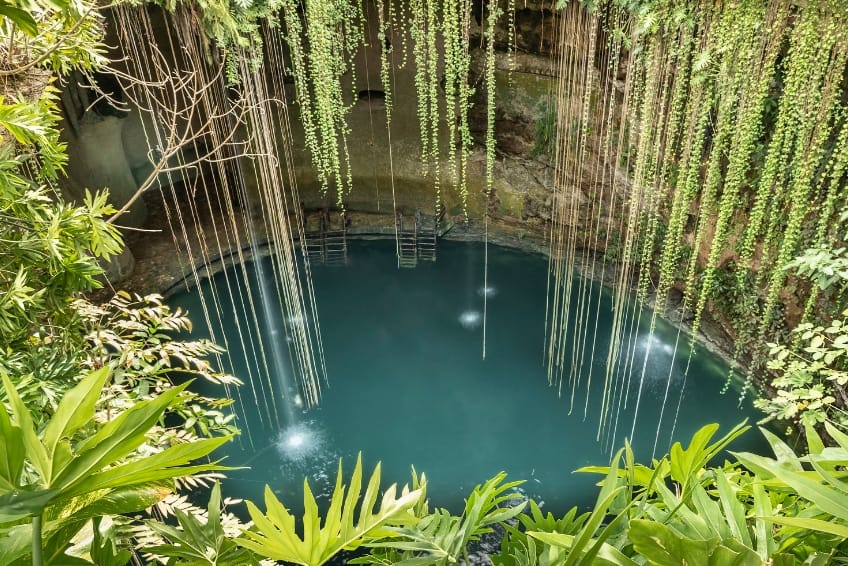
Eco-Tourism and Nature
Cancun is often associated with white sand beaches, luxurious resorts and non-stop parties, but it’s also surrounded by incredible natural beauty and opportunities for eco-tourism. From lush jungles and limestone cenotes to protected islands and marine life, nature loving travelers will find plenty to explore. Here’s a guide to enjoying Cancun’s nature and wildlife!
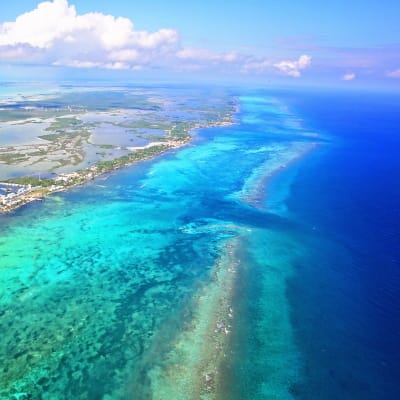
Mesoamerican Barrier Reef
Mesoamerican Barrier Reef
Did you know that Cancun sits beside the second largest barrier reef system in the world? The Mesoamerican Barrier Reef runs from the tip of the Yucatán down through Belize and Honduras. Snorkeling or diving in this reef (at spots like Cozumel Island, Punta Nizuc or Puerto Morelos) is a must for nature lovers. You can see colorful corals, thousands of tropical fish, sea turtles, rays, and maybe even nurse sharks (don’t worry, they’re harmless). To protect the reef, use biodegradable, reef-safe sunscreen (or better yet, wear a rash guard and skip sunscreen entirely when snorkeling). Regular sunscreens contain chemicals that can harm coral, and places like Xel-Ha and Garrafon Park actually ban regular sunscreen and will ask you to use eco-friendly versions. So it’s wise to bring your own reef-safe lotion. Also, never touch or step on coral, and practice good buoyancy so you don’t accidentally kick it.
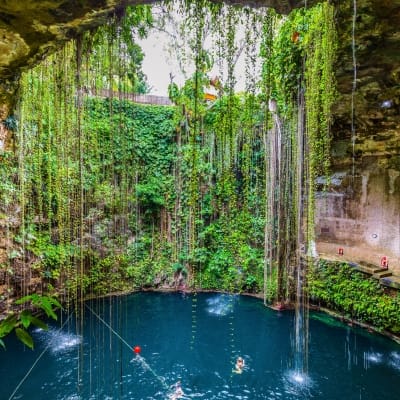
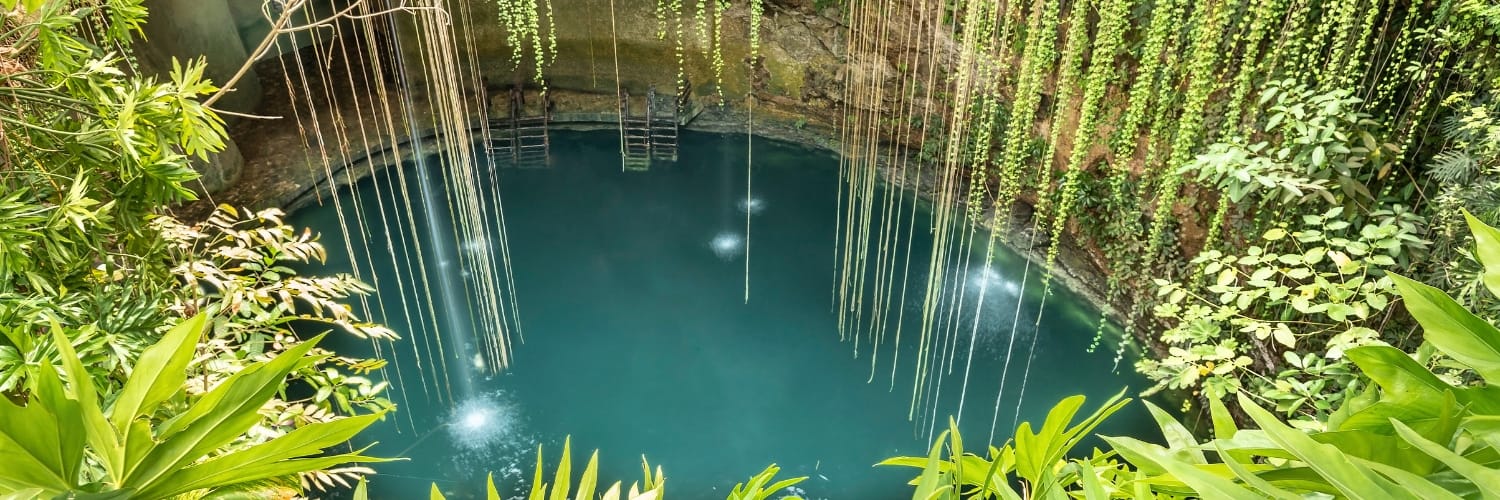
Swimming in Cenote Ik Kil
Cenotes & Underground Rivers
The northern Yucatán Peninsula is famous for its cenotes – natural freshwater sinkholes. There are no above-ground rivers here; all the water flows through underground limestone caverns, which collapse in places to create cenotes. These cenotes are often crystal-clear and make for magical swimming or diving experiences. Some near Cancun worth visiting: Cenote Dos Ojos and Cenote Azul (toward Tulum), Cenote Verde Lucero (in the Puerto Morelos Route of Cenotes), and Ik Kil (near Chichen Itza). There are also underground rivers you can snorkel or tube in at eco-parks like Rio Secreto (an awesome semi-wild cave system tour). When visiting cenotes, please shower before entering (most sites have you do this) to rinse off lotions/bug spray and keep the water pure. Don’t pee in the cenote (had to say it!), and avoid stirring up sediment. Some cenotes are home to small fish, turtles, or bats in the caves, so please respect the wildlife and habitat. If you’re a diver, cenote cavern diving is world-class, but go with certified guides who prioritize conservation and safety.

Coatis Walking By
Wildlife
Cancun and the Riviera Maya offer some amazing wildlife opportunities:
- Sea Turtles: During summer months, sea turtles nest on Cancun’s beaches! Loggerhead, green, and hawksbill turtles come ashore at night (May through September) to lay eggs. Many resorts have turtle protection programs as well. They mark the nests, and when the baby turtles hatch (about 2 months later), guests can often help release them safely to the sea at dusk. If you visit during nesting season, be mindful on the beach at night: avoid using bright lights or flash photography that could disorient turtles, and don’t approach a nesting turtle (give her space to do her thing). Seeing baby turtles scramble to the ocean is often a trip highlight for nature lovers!
View More Wildlife
- Whale Sharks: From June to September, the world’s largest fish, the whale shark, migrates to waters north of Cancun (near Isla Holbox and Isla Contoy) to feed on plankton. You can join a whale shark snorkeling tour to swim alongside these gentle giants – an incredible eco-adventure! Reputable tour operators will brief you on rules: only 2 snorkelers plus a guide in the water per shark, no touching, keep a distance of a few meters, etc. It’s an awe-inspiring experience as these polka-dotted beasts (which can be 20-30 feet long) glide past. Just choose a tour company that is licensed and follows ethical guidelines (ask if they adhere to SEMARNAT rules for whale shark tours).
- Birds & Wildlife: Nearby, you have places like Isla Contoy, an uninhabited nature reserve island known for birds (frigatebirds, herons, pelicans galore) and marine life. Only a limited number of visitors can go per day via a guided tour. It’s pristine with no hotels, just beaches and palms and an eco-station. If you love bird watching or just want a “deserted island” feel, Contoy is superb. Also, the Sian Ka’an Biosphere Reserve down by Tulum (2.5 hours south of Cancun) offers boat tours where you might spot dolphins, manatees, crocs, and numerous bird species in mangrove channels. It’s a long day trip from Cancun, but unforgettable for nature enthusiasts.
- Jungle Wildlife: In the jungle areas (even around cenotes or at adventure parks) keep an eye out for creatures like coatis (think raccoon-monkey combo), iguanas (you’ll see these everywhere sunning on rocks), agoutis (rodent-like but cute), and many birds (toucans, motmots, hummingbirds). Monkeys are more often seen further south, around Akumal or Punta Laguna, but occasionally spider monkeys might appear in less developed areas. Scream “¡Mono!” if you see one – just kidding, stay quiet and enjoy from a distance.
Travel Hack! After a couple of unexpected run-ins with the local critters, I picked up some tricks to respectfully avoid future drama. I started sealing up snacks and drinks, and an empty balcony and a closed patio door meant no midnight raccoon raids or breakfast-stealing iguanas (sorry fellas, the buffet is closed). Carrying a little flashlight on evening strolls also saved me from stepping on tiny frogs or mysterious scuttling creatures (mutual avoidance is key to friendship, I’ve found). And as cute as the coatis and resort cats were, I resisted the urge to feed or pet them; keeping a friendly distance ensured we all stayed safe, happy, and well-fed on our own terms.
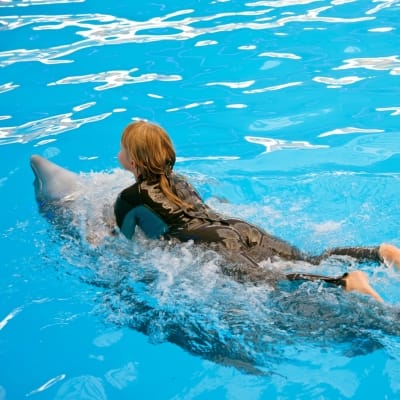
Dolphin Show
Avoiding Animal Exploitation
You may encounter opportunities like holding a baby tiger for photos (sometimes offered in tourist zones) or swimming with captive dolphins/manatees in pools. These are controversial from an animal welfare perspective. While each traveler can decide, the trend has been moving away from these in favor of wild encounters (like observing dolphins in the wild at Sian Ka’an or whale sharks in the open ocean). Most dolphin shows have already been banned in the Riviera Maya, but some still exist for now. Similarly, you might see someone with an iguana or macaw offering tourist pictures for tips. Consider that these animals are often taken from the wild and may not be treated very well. It might be best to politely decline those photo ops, but it’s up to you to decide of course.
Family Travel vs. Party Scene
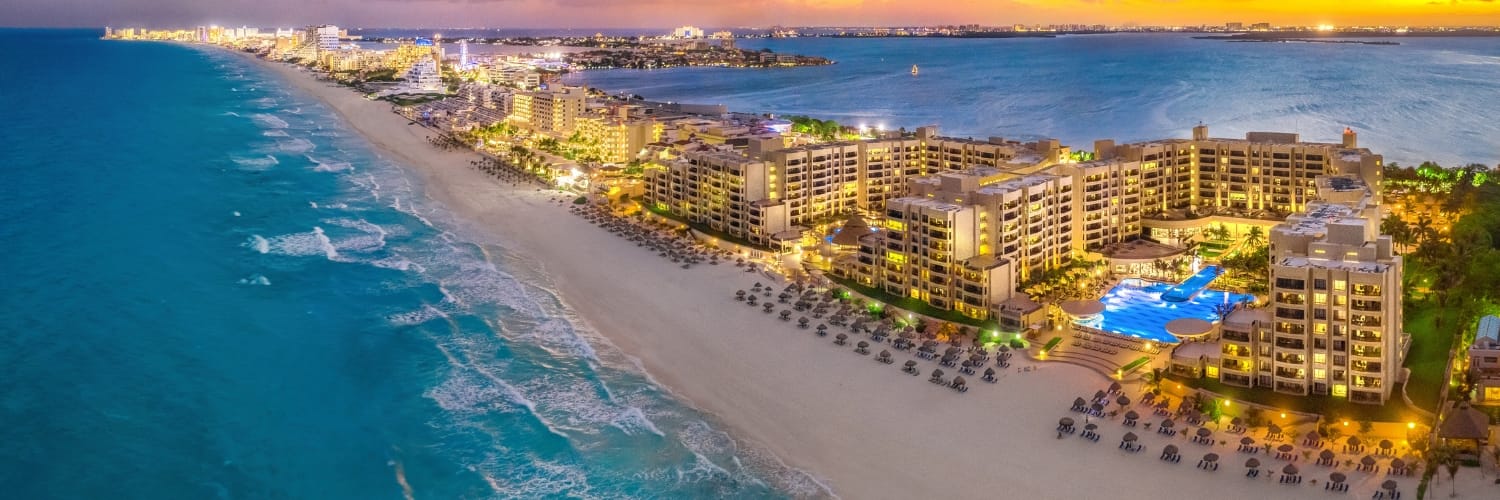
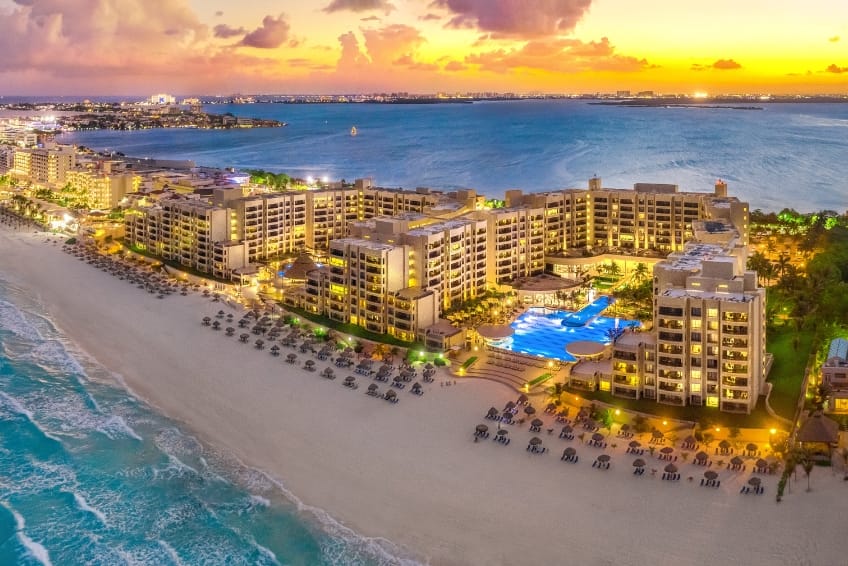
Cancun is a destination with many personalities. It can be a tranquil family retreat, a romantic getaway, or the party of the year. It really depends on where you go and when. Here we’ll break down the family-friendly side of Cancun versus the legendary party scene, and how to navigate both (even on the same trip if you want!).
Xcaret Park
Cancun for Families
Believe it or not, outside of spring break weeks, Cancun is extremely popular with families. The combination of kid-friendly resorts, calm beach areas, and loads of activities makes it a hit with all ages.
- Family-Friendly Resorts: Many resorts cater to families with features like kids’ clubs, children’s pools/water parks, babysitting services, and family suites. For example, resorts like Fiesta Americana Condesa, Hyatt Ziva Cancun, and the massive Grand at Moon Palace are known for being great for kids. They have waterslides, game rooms, mini-golf, even kids’ spa treatments in some cases! When booking, look for all-inclusives where kids stay/eat free promotions, and check if they have separate adults-only areas (so you know they manage both audiences well). Check out our Cancun All Inclusive Resorts Guide for more details.
View More Cancun for Families
- Babysitting & Adults Time: Many resorts have kids’ clubs where you can drop off kiddos (often 4-12 years old) for supervised crafts, games, movie nights, etc. Some have teen lounges too with video games. If adults want a date night, check if the hotel offers babysitting (usually for a fee). Alternatively, some families bring along a relative or nanny – but if not, the resort services are handy. It’s nice to know you could enjoy a romantic dinner or spa massage while the children are happily occupied.
- Kid-Friendly Activities: Cancun offers so much beyond the beach for youngsters
- Interactive Aquarium at La Isla Mall – kids can touch starfish, see sharks in tanks and more.
- Ventura Park – a small water park plus go-karts and arcade rides in the southern Hotel Zone. Not Disney World, but fun for an afternoon.
- Xcaret / Xel-Há / Xenses parks – these eco-parks are awesome for families. Xenses in particular is a half-day park full of optical illusion rooms, mud rivers, and fun sensorial activities that kids (and adults) love.
- Pirate Ship Cruise – several companies do evening pirate-themed dinner cruises (with mock battles at sea, fireworks) – kids get a kick out of it (adults enjoy the open bar…). Jolly Roger and Captain Hook are two such pirate ships departing from the marina in Hotel Zone.
- Submarine or Glass-Bottom Boat – If your kids aren’t ready to snorkel, you can take a submarine-like boat that lets you see underwater without getting wet.
- Museo Maya de Cancun (Mayan Museum) – It’s an air-conditioned museum in the Hotel Zone with real Maya artifacts and even a small ruins site San Miguelito. Good for a cultural break, and it’s not too large to bore kids.
- Beach Play: Of course, the beach itself is infinite entertainment. Building sandcastles on those powdery sands – yes, please! Beaches like Playa Tortugas or Playa Langosta have gentle, shallow water, great for little ones. Many resorts also have beachfront playground sets or organized games.
- Chichen Itza and Cenotes (a long day, but if they’re old enough to appreciate a big pyramid and swim in a cenote, it’s educational and fun – maybe skip the long history tour and just do highlights with a guide).
Island Life Tips: If you want a quieter environment for the family, avoid staying right next to the big nightlife clubs (i.e., in the heart of the Party Center around km 9-10 of the Hotel Zone) unless the resort is well-insulated. Places further south in the Hotel Zone or even in Playa Mujeres area will be more low-key at night. Don’t hesitate to bring kids to downtown in the early evening – the Parque Las Palapas often has live music, vendors, and families out until 9-10pm, kind of like a local festival atmosphere. It’s a cool cultural experience, and you might all get churros or marquesitas as a late treat. When it gets late, take the little ones back to the resort and get that rest. They’ll likely conk out from all the sun and fun anyway.

Coco Bongo Party
Cancun’s Party Scene
Now, on the flip side, Cancun’s party reputation is legendary – and for good reason. It’s one of the clubbing capitals of the world, especially famous for Spring Break and big nightlife venues. If you’re coming to let loose, here’s the lowdown:
- Nightclubs: The Hotel Zone’s Party Center (around Km 9, near Forum by the Sea mall) is where the big clubs cluster. The giants include:
- Coco Bongo: Not just a club – it’s an experience. Coco Bongo combines a nightclub with Las Vegas-style shows. Acrobats swinging from the ceiling, impersonators performing as Michael Jackson or Beyoncé, confetti, balloons, the works. It’s a must-see at least once. Open bar with entry (often $80-100 USD per person). It’s touristy, yes, but tons of fun.
- The City: One of the largest clubs in Latin America, fits thousands. Big-name DJs (they’ve hosted Steve Aoki, etc.), multi-level, high energy EDM and hip-hop. If you want the mega-club experience, The City is it (usually only open Fri/ Sat).
- Mandala: A stylish nightclub with an Indo-Asian theme, open-air concept facing the street. Good mix of music (reggaeton, Top 40, Latin). Slightly smaller than the mega clubs but still packed.
- Palazzo: A bit more upscale/glam vibe, dress to impress, often themed parties (e.g., white party).
- Senor Frog’s: It’s a restaurant-bar by day (with waterslides into the lagoon!), and a foam party club on certain nights. Very Spring Break-y, known for contests and wacky fun.
- Daddy’O (now renamed I think) and La Vaquita (cow-themed bar/club known for casual atmosphere) are others.
- Beach Clubs: Mandala Beach Club does daytime beach parties and some night events with pools, etc.
- Many clubs have open bar packages or bottle service. In high season, lines can be long – sometimes worth getting tickets in advance from reps or your hotel.
View More Cancun Party Scene
- Bars & Lounges: If mega clubs aren’t your thing, there are plenty of bars:
- Carlos’n Charlie’s and Senor Frog’s are classics for a goofy time (think yard drinks, karaoke, conga lines).
- Coco Bongo also has a small bar called Coco Bongo Beach Party (daytime) and Coco Bongo Bar (just a bar version).
- Lobby bars at resorts can be surprisingly fun, especially at all-inclusives where people mingle before heading out.
- Downtown, on Yaxchilan Ave, you have more local cantinas and bars with live music (La Terraza, Los Arcos, etc.) where locals party; worth a visit if you want a more Mexican fiesta vibe (think banda or salsa music).
- The Hotel Zone also has sports bars (Hooters, Champions, etc.) if you need to catch a game or just have a low-key beer.
- Spring Break vs. Other Times:
- Spring Break (March): This is when the 18-21 crowd descends in massive numbers. The clubs are absolutely wild – famous DJs, celebrity hosts, daytime pool parties at hotels (some hotels are essentially nonstop parties). If you’re in that demographic or just don’t mind the chaos, it’s a blast. But if you’re not into that scene, you might want to avoid March or stay at resorts known to be quieter. (Resorts like Oasis Cancun Lite, Grand Oasis, etc., are notorious spring break party hotels, fyi).
- Summer: Still lively, with a mix of college students on break and lots of European and South American tourists (July-August), but not as crazy as March. Nightlife is good all year, though. Cancun doesn’t really have an off-season for clubs except maybe October (hurricane season’s peak, fewer tourists).
- In-Resort Entertainment: Even if you never leave your all-inclusive, most have nightly shows (some cheesy, some impressive), live bands, karaoke nights, etc. Resorts like Breathless (known for parties), Temptation (topless, adult-themed parties), or Hard Rock (music focus) offer nightclub-like experiences on site.
- Costs & Safety
- Cost: Be prepared to spend on nightlife. An open bar club entry might be $60-100. Individual drinks at clubs can be $10-15 easily. Many people do all-you-can-drink deals so they don’t have to pull out their wallets. If you go downtown, drinks are cheaper.
- Safety: Generally, the party zone is well policed – lots of tourism police ensuring people don’t get in serious fights or wander off in trouble. That said, use normal precautions: Stick with your friends, don’t overdo it to the point of being helpless, watch your drinks (drink spiking isn’t common, but it’s a universal risk if someone nefarious is around – so don’t accept random open drinks from strangers unless you saw it poured). Getting from club back to hotel safely: either walk if close (the area around clubs will be crowded till early morning) or take a regulated taxi from the stand, or even the bus if it’s running and you’re comfortable (the bus can be hilariously full of other partiers at 3am).
- Law: Public drunkenness is generally tolerated in the zone (you’ll see some sloppy folks). But being aggressive or disorderly could land you a night in the “drunk tank”. Also, drug use – we mentioned earlier, but to reiterate: just avoid it. There may be people offering in the shadows; it’s illegal, and you do not want to deal with Mexican jail/fines or worse.
Coco Bonkers: I strolled into Coco Bongo one night expecting to stay a few hours; next thing I know I’m wearing a feather boa, belting Bon Jovi at 2 AM with confetti in my hair. At one point a Spiderman impersonator swung over the crowd and a Michael Jackson lookalike moonwalked across the stage. Just a typical Tuesday night here. Somehow I ended up best friends with a group of strangers during a Queen sing-along, and we were all in on the joke that we’d lost our voices but didn’t care. I left around 3 AM with ears ringing and a perma-grin, already brainstorming how to explain the stray glitter in my hair on tomorrow’s video call. – Laura
Island Life Tip: For party-goers: Eat a solid dinner (those tacos will save you later), pace yourself (the Cancun sun dehydrates you, so chug water in between drinks), and try a drink called “Azulitos”, a popular pre-club giant yard drink that’s electric blue and potent (just one is enough!).

Xoximilco Dinner Boats
Alternative Night Fun
Not into thumping clubs? Consider a nice dinner show (Xoximilco park offers a dinner on boats with mariachi – family-friendly, though everyone can drink tequila on board), or a sunset cruise with wine, or simply stargazing on the beach with a cocktail. There are also night markets occasionally downtown or at Puerto Cancun marina, where you can stroll and enjoy local food and music.
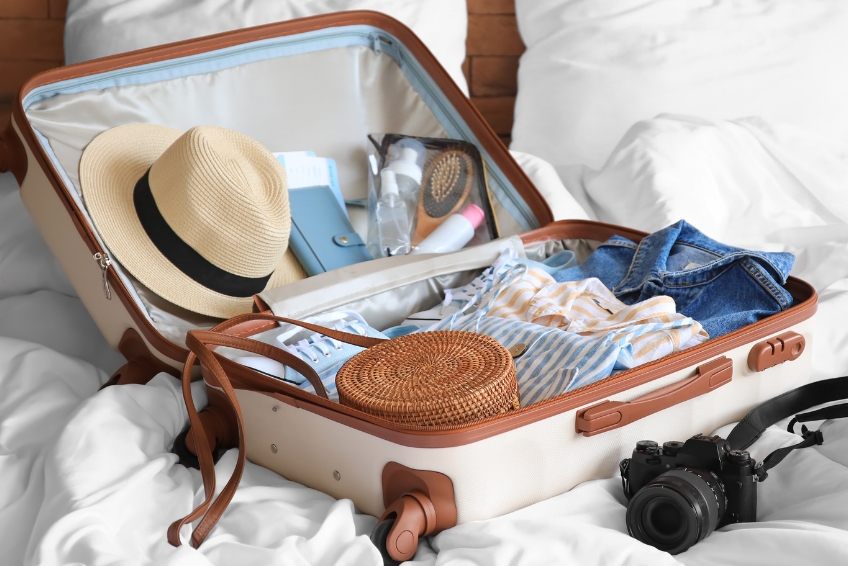
What to Pack for Cancun
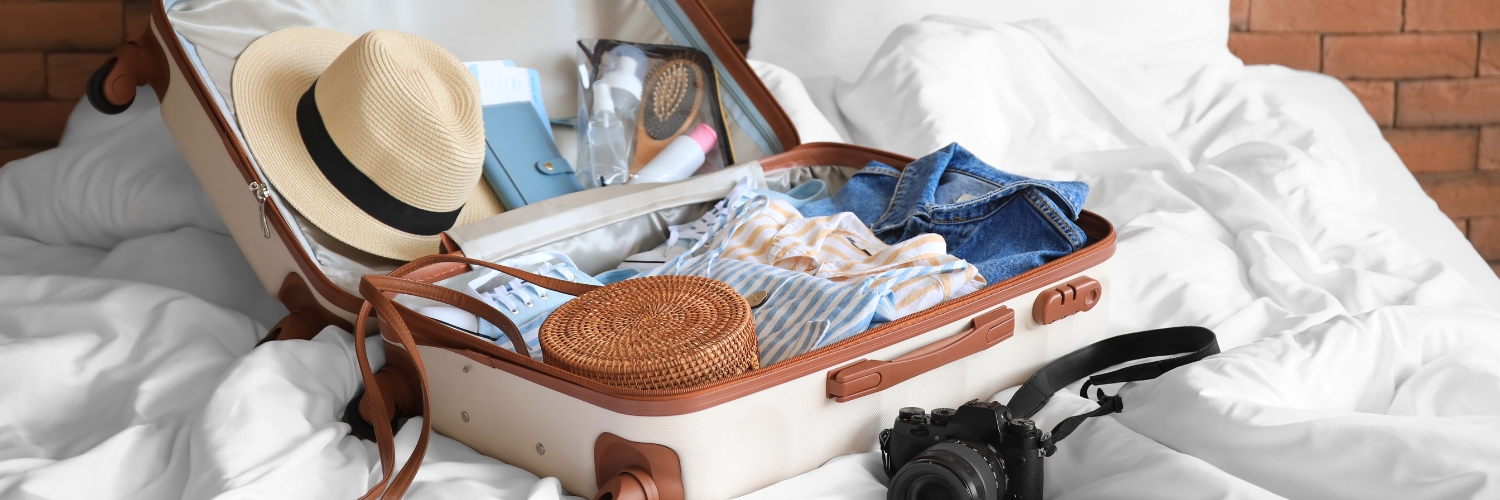
Packing for Cancun is about balancing beach vibes, comfort in the tropical climate, and readiness for adventures. You’ll likely spend much of your time in casual summer clothing, but here’s a comprehensive packing guide including some often-forgotten items and local considerations.
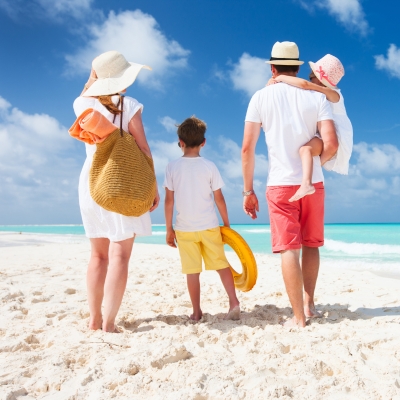
Beachy Clothing
Clothing
- Swimwear: Bring at least 2 swimsuits (so one can dry while you wear the other). You’ll basically live in them by the pool or beach. Ladies might want a bikini and a one-piece for variety; gents, swim trunks (and consider if your resort or activities require more modest style – most places anything goes, though some upscale resort restaurants might not want speedos at lunch, haha).
- Cover-ups & Casual Wear: Pack light, breathable cover-ups like sarongs, kaftans, or t-shirts/tank tops and shorts to throw over swimwear when walking around the resort or going into town. Cotton, linen, or quick-dry fabric is best; humid climate makes synthetics sticky unless they’re moisture-wicking.
View More Clothing
- Sun Protection Clothing: A wide-brimmed hat or baseball cap is essential to avoid sizzling your face. Sunglasses (polarized if possible, to better see that aqua water!). If you sunburn easily or plan to snorkel, a rash guard/swim shirt with UPF protection can be a skin-saver (and reef-safe by reducing sunscreen need).
- Daywear: For excursions or exploring: t-shirts, tanks, shorts, sundresses – basically summer wear. Maybe one long-sleeve light shirt or thin long pants for sun or bug protection if doing jungle tours (linen pants or hiking pants).
- Evening Wear: Cancun is casual, but many people do dress up a bit in evenings, especially for clubs or fancy restaurants. Pack one or two nicer outfits: a collared shirt and lightweight pants or nice shorts for men, a cute dress or blouse with capris/skirt for women. Some nightclubs have dress codes (no swim shorts/flip flops at night, closed-toe shoes for guys at big clubs like The City). If doing an adults-only fancy restaurant, men sometimes need pants and even closed shoes – check your resort’s policy (some all-inclusives require men to wear long pants & no sleeveless at their gourmet eateries).
- Footwear: Flip-flops or sandals for the beach/pool are a must. Also, bring comfortable walking shoes – sneakers or sport sandals if you plan on touring ruins or walking a lot. Many ruin sites like Chichen Itza or Coba involve uneven ground, so sturdy shoes help. Water shoes are great for cenotes or rocky areas (and protect your feet in the ocean where coral/rocks might be). For evenings, nice sandals for women or casual loafers/canvas shoes for men if going somewhere upscale. High heels can be tricky on cobblestone or sand floors in some clubs, but if you want them for style, go for a chunkier heel or wedge, maybe.
- Undergarments/PJs: The usual; note that things dry slowly in humidity, so maybe pack an extra set or two if you won’t do laundry. Quick-dry socks if you’ll wear sneakers (nothing worse than damp socks).
- Light Jacket or Wrap: While it’s warm, indoor venues crank the air-conditioning. A light sweater, hoodie, or pashmina can be useful for overly AC-chilled restaurants or the plane ride. Also, winter nights (Dec-Jan) can occasionally dip to ~65°F (18°C) – not cold, but a bit cool with breeze, so a light layer is good just in case.
- Rain Gear (Seasonal): If traveling in the rainy season, a packable rain poncho or small umbrella is smart. Downpours are usually brief, but you might be caught out. Many hotels provide umbrellas, but not guaranteed.
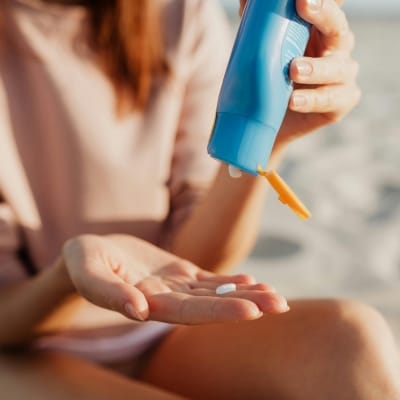
Sunblock is Necessary
Health & Toiletries
- Sunscreen (Reef-Safe): Bring ample sunscreen (SPF 30+ or higher). It can be pricey at resorts. If you plan snorkeling/reef swimming, get reef-safe formulas (zinc or titanium based). Even if not, it’s good to use to protect the environment. Also, you’ll likely reapply often due to sweat and water, so a couple of bottles for a week isn’t overkill. Don’t forget SPF lip balm!
- Insect Repellent: Mosquitoes can be around, especially around mangroves or after rain, and at dawn/dusk. Pack a repellent with DEET or picaridin. If you go to the jungle or cenotes, you’ll want it (though you should rinse off before entering the water).
View More Health & Toiletries
- After-sun Lotion: Aloe vera gel or a good moisturizer in case you get sunburn or just to hydrate skin after salty days.
- Basic Meds: Bring a small kit: pain relievers (Advil, etc.), Pepto-Bismol or Imodium (just in case of traveler’s tummy troubles from too much tacos or tequila), antihistamines for allergies, motion sickness pills (if doing boat trips or the ferry to Isla Mujeres – it can be choppy), and any personal prescriptions (in original bottles ideally). Pharmacies in Cancun are everywhere and you can get many meds over the counter (including antibiotics sometimes), but it’s simpler to have your own stash.
- First Aid: A few band-aids, antiseptic wipes, maybe blister pads (for those new flip-flops that chafe), and hand sanitizer (though nowadays that’s ubiquitous).
- Personal Toiletries: Your preferred shampoo, conditioner, etc., if you’re picky (hotels provide basics but not always best quality for hair after saltwater). A razor, shaving cream, makeup (keep it minimal – it may melt off in humidity; waterproof mascara is your friend). If menstruating, note that tampons (especially OB or without applicators) can be less common in Mexican stores, so bring what you need.
- Toothpaste/Brush & Travel toiletries obviously. And deodorant – you’ll need it in the heat!

Quickdry Beach Towel
Miscellaneous Gear
- Travel Documents & Copies: Passport (valid for at least 6 months), driver’s license (if renting a car), credit cards, travel insurance info (if you have), and a printed copy of your flight/hotel confirmations. It’s smart to also have digital scans of passport/IDs in your email or phone. As of now, no more tourist card needed to be filled for Cancun, but you might still want to carry proof of return flight, etc., just in case immigration asks (rarely do).
- Cash & Cards: Bring some USD cash (for tipping, especially – although pesos are better to tip, dollars are accepted). You can exchange to pesos on arrival or use ATMs. A mix of one-dollar bills and larger ones if bringing USD. Also, notify your bank of travel for card use in MX.
View More Miscellaneous Gear
- Phone & Electronics: Phone + charger (and a waterproof phone pouch if you plan to take it to cenotes or on boats for pics). A portable battery pack is nice for long excursion days where you’re snapping photos, but it might drain your battery. Power in Mexico is the same as in the US (110V, same plugs), so no adapter is needed for US/Canada devices; European travelers will need an adapter for Type A/B plugs.
- Camera: If you’re into photography, Cancun is scenic! An underwater camera or GoPro is fantastic for snorkeling, cenote swims, etc. If not, maybe a waterproof case for your phone as mentioned.
- Snorkel Gear: If you plan a lot of snorkeling and have your own mask/snorkel or full-face mask, bring it. Though tour operators provide, having your own that fits well can be nicer (and save rental fees). Fins are often heavy to pack; you can decide if worth it (many tours will have them or they’re not absolutely needed for casual snorkeling).
- Insulated Tumbler/Cup: Many experienced all-inclusive goers bring a reusable insulated cup (like a Yeti or similar) to keep drinks cold and reduce using single-use plastic cups. Bartenders will often fill your cup with whatever cocktail. Plus your drink stays cold longer under the sun.
- Beach Bag or Daypack: Some sort of tote or backpack to carry stuff to the pool/beach or on tours (water, camera, towel, etc.). A lightweight foldable daypack is great for excursions.
- Towels: Hotels may provide beach towels, but we think quickdry towels are super convenient to toss in a bag and take to the beach, on a boat tour, or on a snorkeling trip. We love the Eccosphy towels that come in dozens of colors and patterns.
- Laundry/Plastic Bags: A couple of plastic or reusable dry bags for wet swimsuits or separating dirty clothes in your luggage. Ziplocks can be handy for keeping a phone dry or storing snacks.
- Small Locks: If you’re staying in a hostel or just want to lock your daypack zippers, bring a combo lock. Also useful if using lockers at theme parks (e.g., Xel-Há).
- Guidebook/Maps: If you like a physical guidebook or printed references for the area (though you have this awesome guide, wink wink). Offline Google Maps of Cancun & area downloaded on your phone can be useful to save data.
- Spanish Phrasebook or App: If you want to practice Spanish, a pocket phrasebook or an app like Google Translate is handy for offline use.
- Entertainment: Load up your Kindle or bring a book for beach reading. Maybe some downloaded Netflix shows for the plane or a rainy day.
- Reusable Water Bottle: As mentioned, a must for eco-conscious hydration.
- Earplugs & Eye Mask: If you’re a light sleeper, these can help. Sometimes there’s noise (could be hallway sounds in the hotel, or if you accidentally booked a room above the nightclub – eek). Usually not an issue if you choose the right hotel, but earplugs are small to pack and can be lifesavers (also on the plane).
Island Life Tip: Pack half the clothes and twice the money. Cancun’s casual scene means you often don’t need as many outfits as you think (you’ll end up in swim gear or the same shorts often). But things like extra excursions, souvenirs, or a cab when you need one can eat into funds, so budget a bit extra. Also, save some room in your luggage for souvenirs like a bottle of tequila, some Mayan chocolate, or colorful Mexican handicrafts you might pick up.
Things to Do in Cancun
Cancun's Top Highlights
There is so much to do in Cancun! From live shows to sailing cruises and more, it’s really easy to make each day in Cancun a special experience. Here are just some of the activities you can enjoy!


1. Have A Beach Day
The Hotel Zone beaches go on for miles and are sandy and fantastic. Most resorts have their own stretch of beach with loungers and day beds but feel free to walk down the beaches to find your favorite stretch of sand.
Playa Delfines is the most popular (and beautiful) public beach and is a great place to take a swim and lay out for a tan. The water can get a little choppy at times, so it’s not ideal for small children. Delfines is home to the famous colorful “Cancun” sign too for those looking for that classic Instagram shot. For better swimming, try Playa Chac Mool which is also in the Hotel Zone. Gentle, quiet and tranquilo.
For more Cancun beach info and great beach recommendations, be sure to check out our Cancun Best Beaches Guide.
*Note: Be sure to read about the Cancun seaweed season above.
Hidden Gem: Isla Blanca. A virtually untouched strip of land with a lagoon on one side and the Caribbean on the other, this secluded corner of Cancun feels like discovering an untouched paradise. Located 20 km north of Cancun (about a 30-40 minute drive), Isla Blanca is a narrow peninsula completely free from development. The beach features incredibly fine white sand meeting brilliantly blue water, all framed by lush greenery and swaying palms. There are no hotels or bars (and very limited facilities), so it’s perfect for a quiet beach day, kitesurfing, or a long nature walk by the sea.


2. Experience The Adventure Parks
About an hour south of Cancun are a cluster of world famous adventure parks that are unlike anything you’ve probably experienced before.
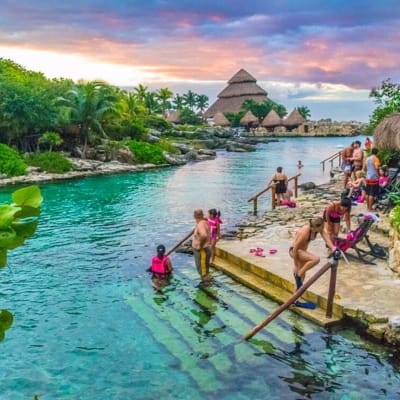
The most famous is Xcaret, with its meandering canals you can swim through, incredible beach coves, cultural shows, jungle hikes, and so much more. They are a little pricey, but the adventure parks are widely considered a must-do in the area.
Other very popular parks include Xplor with its caves, ziplines, rafting and ATVs, Xel-Ha with its waterslides, snorkeling, mangrove tubing and other water activities, Xplor Fuego a nighttime torchlight adventure, Xenotes cenote experience, Xoximilco floating fiesta and the oddly popular Xenses optical illusion park.


3. Visit A Mayan Ruin
You might be surprised, but amidst Cancun’s modern resorts lie traces of ancient Mayan history. In fact, the Yucatan was the heart of the Maya civilization. While Cancun is a new city, you can still visit a few small Mayan ruin sites right in the Hotel Zone, or take a day trip to more extensive locations.
El Rey Ruins is located in the Hotel Zone near Playa Delfines and was part of a small coastal trading town. It’s not huge, but you can walk among 1,500-year-old structures, and iguanas roam everywhere. It’s a quick, inexpensive visit (about $5 USD entry) and gives a taste of history without leaving Cancun.
If you’ve never been to a Mayan ruin, though, why not start with one of the best? Chichen Itza is an epic collection of temples and monuments that are worth the trip to get there. Around a two-hour drive from Cancun, many people combine the adventure with a swim at a cenote on the way back to cool off. You can rent a car and do the drive yourself, but most people book either a private tour or take a group tour for simplicity. This also allows you to zonk out in the van on the way back! Note that group tours typically do not include the park entrance fee of $37 USD adult or $5 child.
This top rated group tour to Chichen Itza includes buffet lunch, a trip to Valladolid, and swimming in a cenote on the way back. Here’s a great private tour.
Don’t mind getting up early? Check out this awesome sunrise tour to Chichen Itza!
For more information, check out our Chichen Itza Visitors Guide!
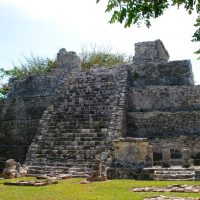
Hidden Gem: El Meco Archaeological Site. A small but fascinating Mayan ruin site featuring a 41-foot pyramid and several structures, El Meco offers a tranquil exploration experience where you can wander at your own pace without the overwhelming crowds typical of major archaeological sites. Around 15 minutes north of Downtown Cancun, and shaded by lush trees, the well-preserved grounds of El Meco showcase ruins that remain remarkably intact despite their age. At only a few dollars entry, it’s an affordable, low-key alternative to busier sites.


4. Visit A Cenote
Talk about healing properties. The cenote choices in the Cancun area are vast and diverse as there are literally dozens of incredible locations nearby. A cenote is typically formed when a cave has collapsed on itself and then fills with rainwater or natural underground spring water. You can swim, scuba dive, snorkel or just walk through one of these breathtaking and powerful forces of nature.
Explore cenote tours from Cancun here.
For more cenote info and great cenote recommendations, be sure to check out our Ultimate Cenote Guide.
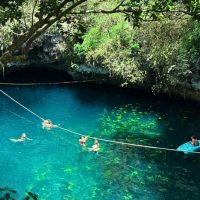
Hidden Gem: Cenote Verde Lucero. Roughly an hour south of Cancun, this open-air cenote with emerald green water lives up to its name (“Verde Lucero” means bright green). It features fun jumping platforms and a small zipline, yet remains off the usual tourist path, often praised as a hidden gem tucked in the jungle. Visitors love its rustic, family-run vibe — the atmosphere feels refreshingly uncommercialized compared to more developed cenotes, creating a peaceful setting enhanced by lily pads, colorful fish, and tropical birds.


5. Go Snorkeling or Scuba Diving
Hire a tour company to jet you around the lagoons or go with a dive shop and see what lies beneath.
The Underwater Sculpture Museum at MUSA has become quite a popular attraction in recent years. Over 500 sculptures were built and installed in the shallow blue waters in an attempt to rebuild the reef system.
The Island of Cozumel, just a short ferry ride away, is known to be one of the best places in the world to dive and snorkel, so if you have the time, we recommend you try it! But there are plenty of other diving and snorkeling options as well! Get in the water and explore. A true treasure awaits.
This is one of the more popular snorkeling tours that visits several reefs and a shipwreck not to far from Cancun.
Check out a variety of scuba diving options for beginners and experienced divers.
Travel Hack! Here are some handy hacks for next time you take the plunge. First, a tiny dab of baby shampoo rubbed around on the inside of the mask lens and then lightly rinsed off keeps it from fogging. A game changer when you actually want to see the turtle in front of you. Second, wearing a swim shirt or rash guard prevents the classic snorkeler’s sunburn stripe. And if you’re prone to seasickness, popping half a motion sickness pill beforehand ensures you’re focused on the fish and not your nausea – trust me, it helped me enjoy the Jacques Cousteau life minus the wobble.


6. Enjoy The Nightlife
You are in the Mexican Caribbean’s party center, after all! The northern part of Zona Hotelera is called Punta Cancun and is the nightlife party area with plenty of clubs and tourist bars. Some say the best club to dance and drink the night away is Coco Bongo but don’t let us sway your decision. There are many places to party on offer, mainly in the Zona Hotelera.
This VIP Admission package to Coco Bongo comes with skip-the-line VIP entry (the lines here can be crazy), excellent seats for the shows, 15 premium drinks and more.
This One Night Exclusive Rooftops and Clubs in Cancun Tour, takes you to local favorites and rooftops with beautiful views for an unforgettable night.


7. Explore The Rio Secreto Nature Reserve
This wild little day trip isn’t what you usually think of when you think of Cancun, but don’t let that stop you from taking a break from the sunshine and trying out a new adventure!
Rio Secreto (The Secret River) is an underground cave/cenote system filled with stalactites, stalagmites and beautiful fresh water that you’ll spend the day wading and swimming through.
Small group tours include a guide, transport, lunch, wetsuits, hard hats, water shoes and more. This is widely considered an unforgettable experience.
This is definitely one of the most popular tours and has an option for hotel pick up for convenience.


8. Visit The Islands
Just off the coast of Cancun are the magical islands of Isla Mujeres and Isla Contoy. If you don’t have the time to spend a few days on the laid-back Isla Mujeres, be sure to take a day tour to visit.
There are a wide variety of catamaran and snorkeling tours available departing from Cancun. If you feel like getting a little more “wild,” include a stop at the Isla Contoy nature preserve.
Here are a number of excellent day tours to Isla Mujeres.
These are the top rated tours to Isla Contoy.
Travel Hack! After our island jaunt, I gathered a few tips to make the next Isla Mujeres trip even smoother. First off, taking the early ferry was a game-changer. It was less crowded and gave us a head start on snagging a good golf cart before the rush. Speaking of golf carts, taking a quick walk-around to check for scratches (while shooting a video for peace of mind) before driving off kept the rental guys honest when we returned it. Lastly, bring pesos in cash, as the cutest beachside taco stands and souvenir stalls on the island often don’t do cards. You don’t want to miss out on a fresh coconut drink because you ran out of cash!
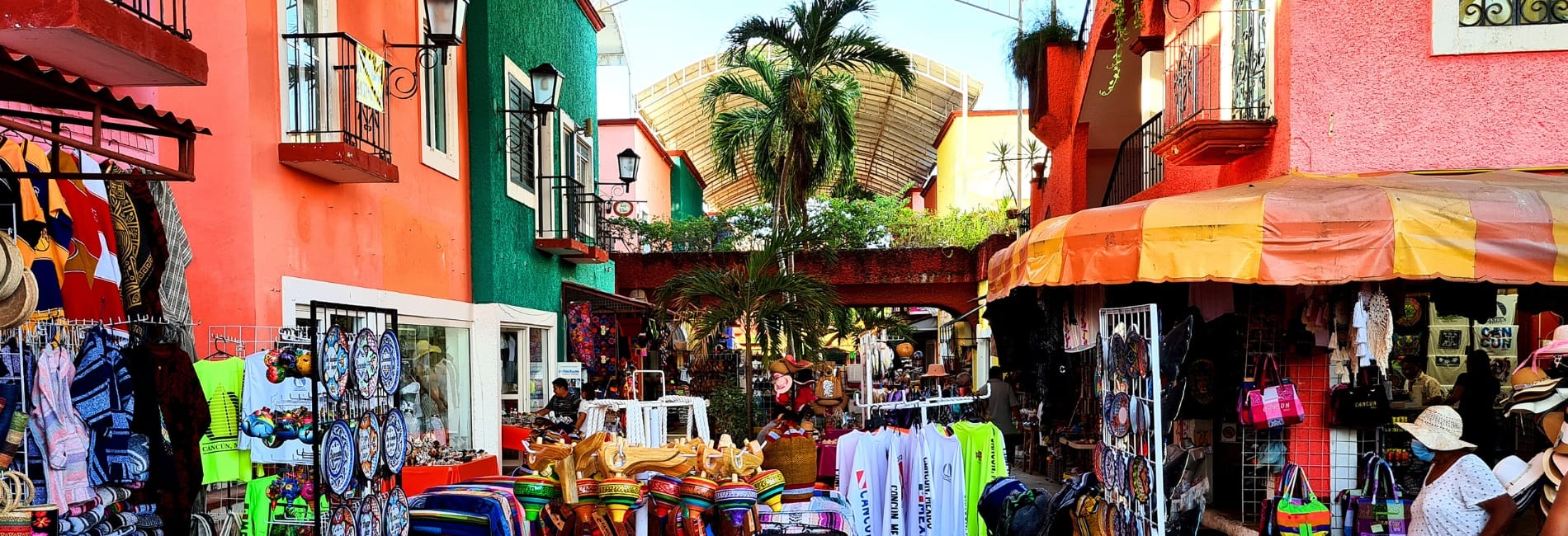
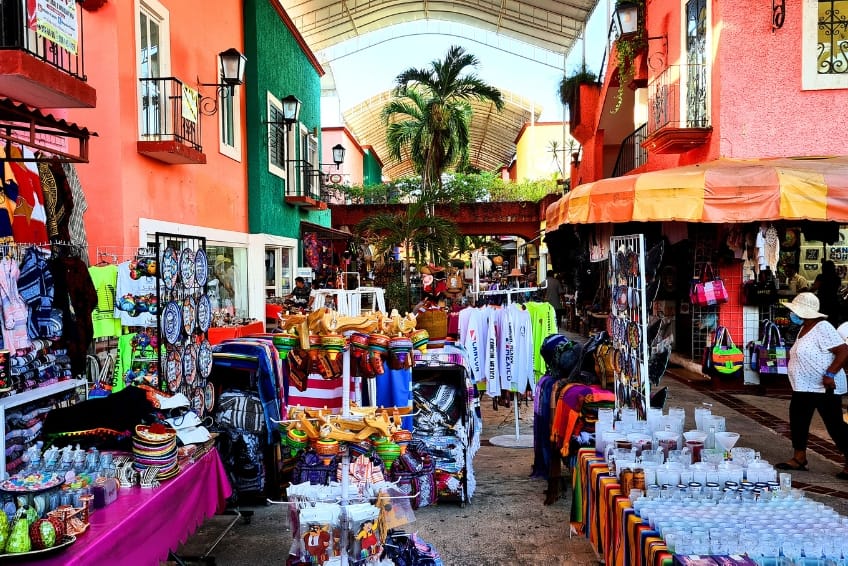
9. Check Out Cancun Centro
If you skip downtown Cancun (Centro), you’re missing a quintessential Cancun experience.
For a glimpse at the local culture, check out the public square Parque de las Palapas. The square comes to life at night with free concerts, dance performances, and street artists working the crowds with slapstick routines.
For a traditional market experience, don’t miss browsing the aisles at Mercado 23 for colorful crafts and unique Yucatecan garments you won’t find anywhere else. You will also find a plethora of fantastic dining options in Cancun Centro.
If you want to explore the downtown area in a group setting, we recommend this Cancun City and Shopping tour.
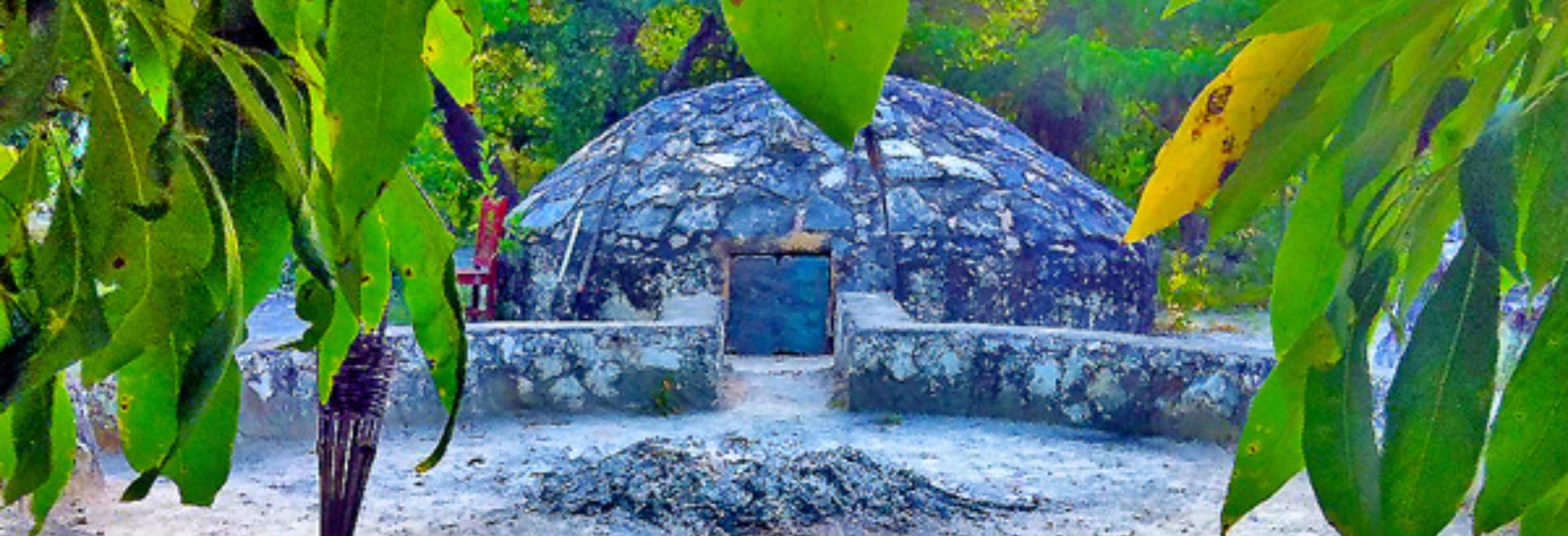
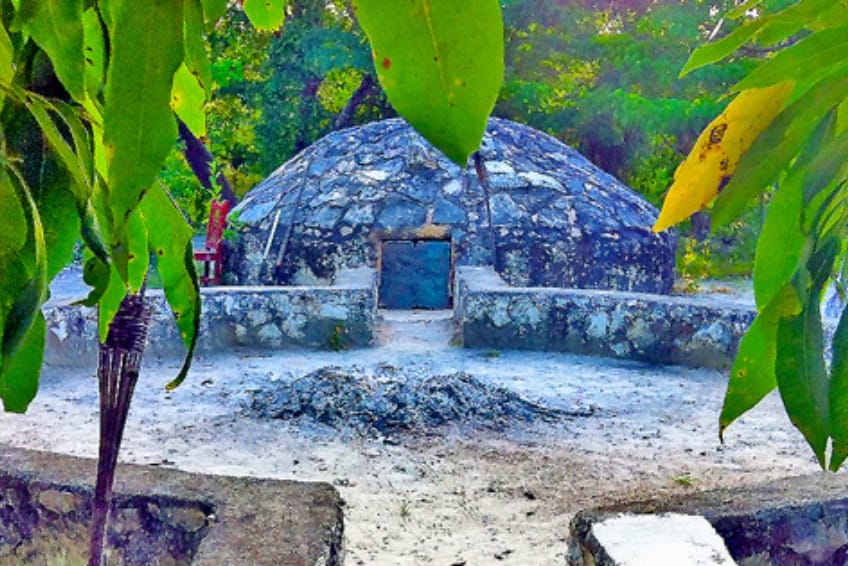
10. Experience a Temazcal Ceremony
An ancient Temazcal ceremony can take different forms depending on where you are in Mexico. Temazcal is a cleansing ceremony that is typically performed in a stone-walled hut similar to a sweat lodge. The heat ritual and the shaman’s guidance provide a unique mental and physical experience.
The Temazcal ritual dates back centuries and is deeply rooted in ancient Aztec traditions. Benefits of Temazcal include clearing the mind, relieving pain, and reducing tension and stress.
There are a few highly rated Temazcal ceremonies in Cancun, including this Mayan Ceremonial Night and this Night Mayan Temazal Purification Ceremony.
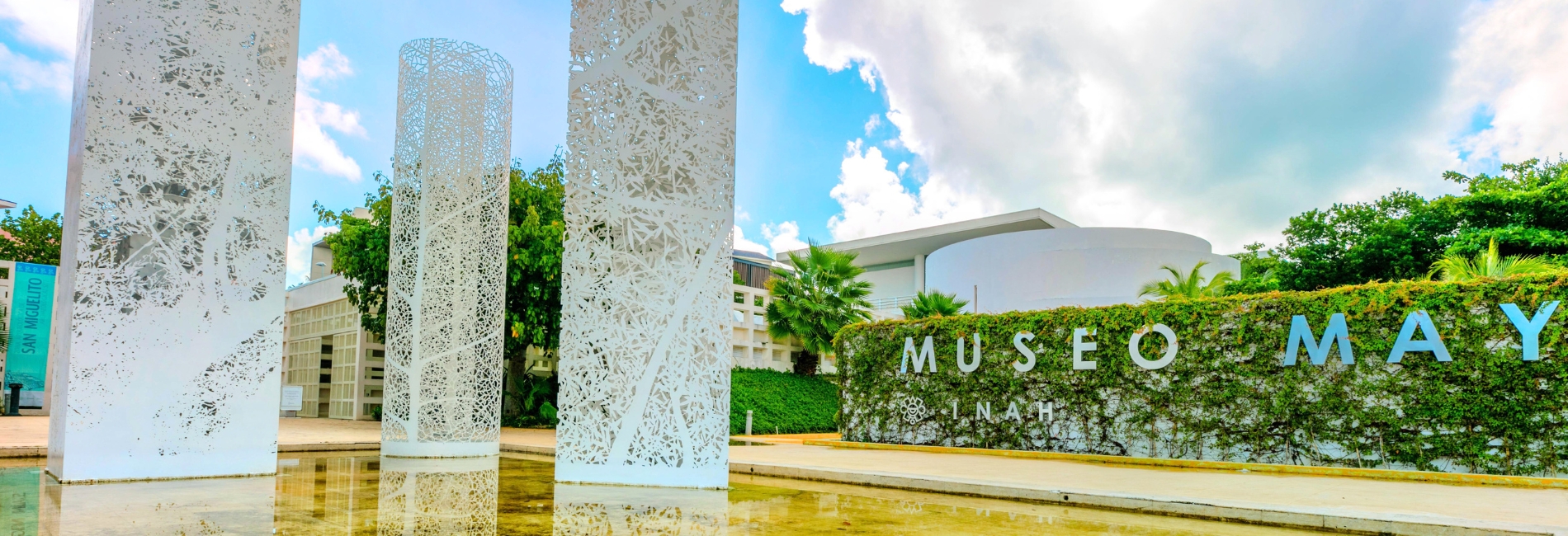
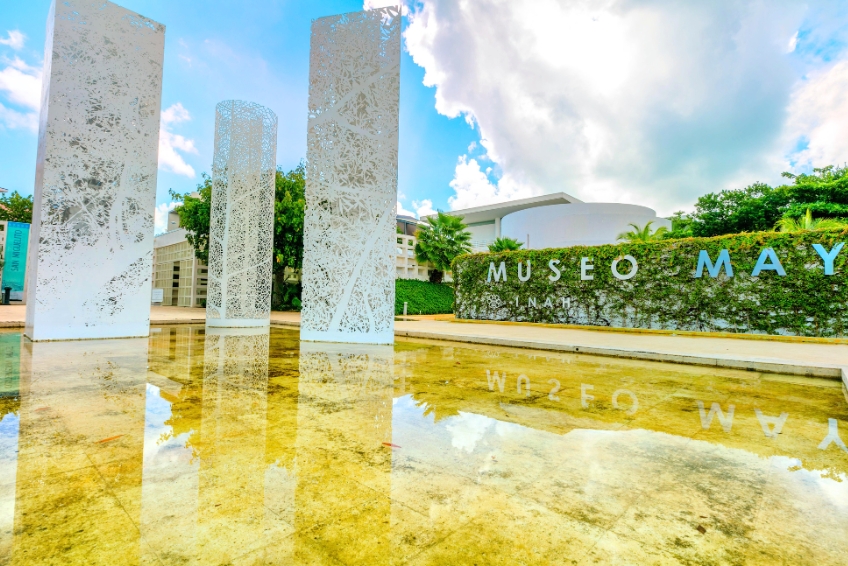
11. Visit The Mayan Museum
If you want to add a little culture to your trip, you can get a Mayan ruin experience closer to Cancun’s Hotel Zone by visiting the Museo Maya.
The museum is an excellent place to learn about the history of the pre-Columbian Maya. If you are also planning to visit Chichen Itza, a stop at the museum will help you understand the Mayan history and culture before you go.


12. Go Tequila Tasting
Tequila and tequila tasting are art forms in Mexico, so why not enjoy this age-old tradition? Learn the difference between Blanco, Reposado and Anejo, and try local brands you may not have access to back home. Many restaurants offer tequila tasting options or ask your hotel about a more involved experience.
There are plenty of options for tequila tastings in Cancun, but if you want more of a group tour experience, check out this Tequila Tasting Experience. Or this Taco and Tequila Tour in downtown Cancun.
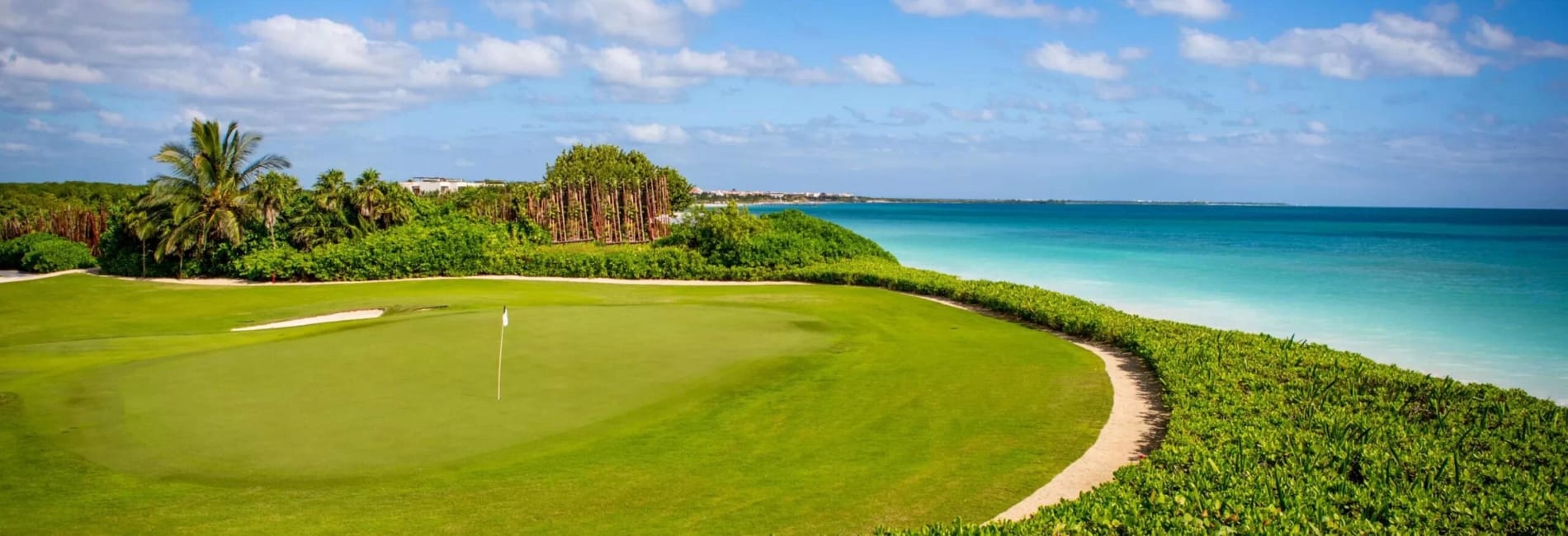
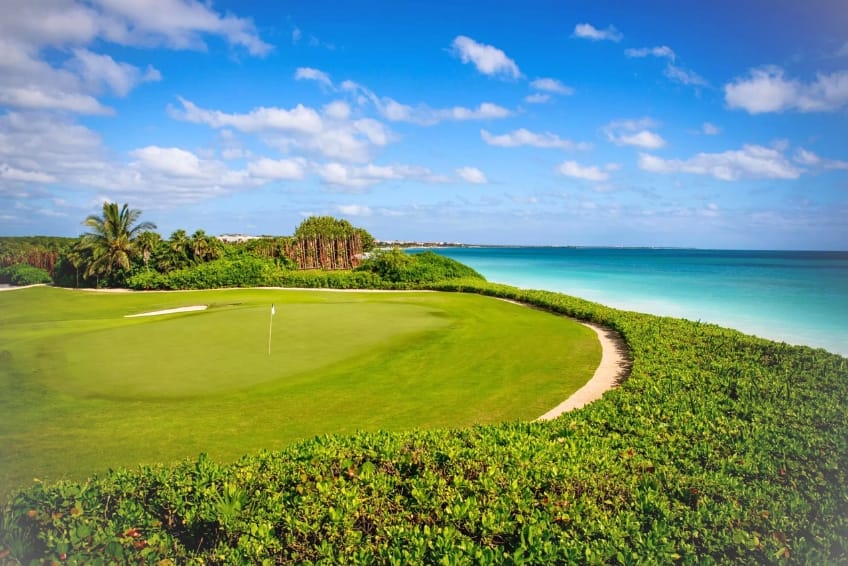
13. Hit The Golf Course
It’s no surprise that a world-class golf scene has developed around Cancun thanks to the tropical weather and resort culture here. With numerous options, the biggest issue you will have is where to schedule a tee time!
From gorgeous coastal views to lush tropical landscapes, the golf courses of Cancun offer an enjoyable experience for players of all skill levels. Designed by renowned architects, these golf courses feature manicured fairways, challenging bunkers, and well-placed water hazards.
These courses are the perfect blend of natural beauty and exceptional design. Playing a round of golf in Cancun allows you to enjoy the breathtaking setting, all while creating lasting memories on and off the greens. The Jack Nicklaus designed Riviera Cancun Golf Club is one of the top rated courses in the area. The Puerto Cancun Golf Club is also highly recommended.

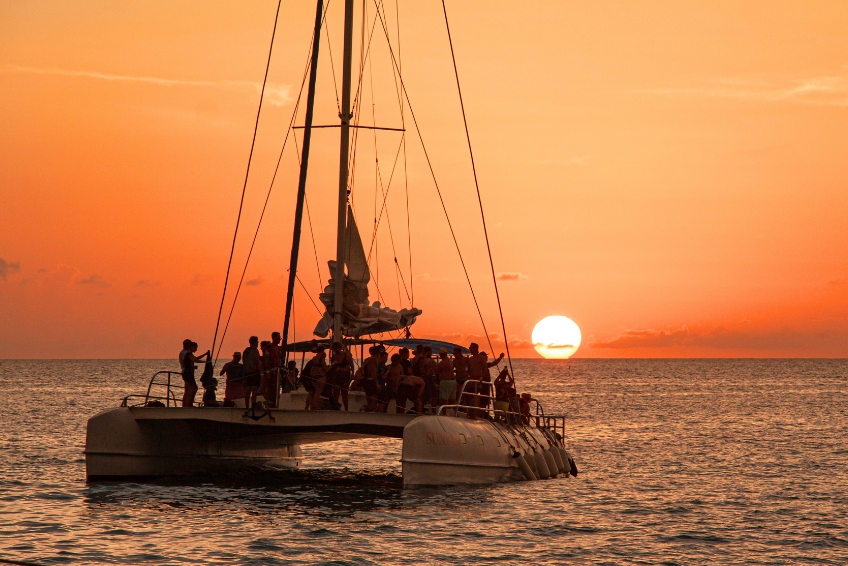
14. Take A Sunset Cruise
While sunsets are beautiful in Cancun, the area isn’t ideal for watching sunsets from the beach as the sun sets behind you. If you want to catch a magical Cancun sunset, you’ll definitely want to get out on the water. Sunset cruises are incredibly popular in Cancun and for good reason. They’re a great way to unwind after a day of adventure in and around the city. You can just sit back and relax, drink a margarita and watch a gorgeous technicolor Caribbean sunset!
Cancun offers some fantastic sunset cruise tours, like this Luxury Sunset Sailing Cruise, where a light dinner and open bar are offered.
Looking for something a bit more romantic? Check out this Romantic Sunset Dinner Cruise on a Spanish Galeon.
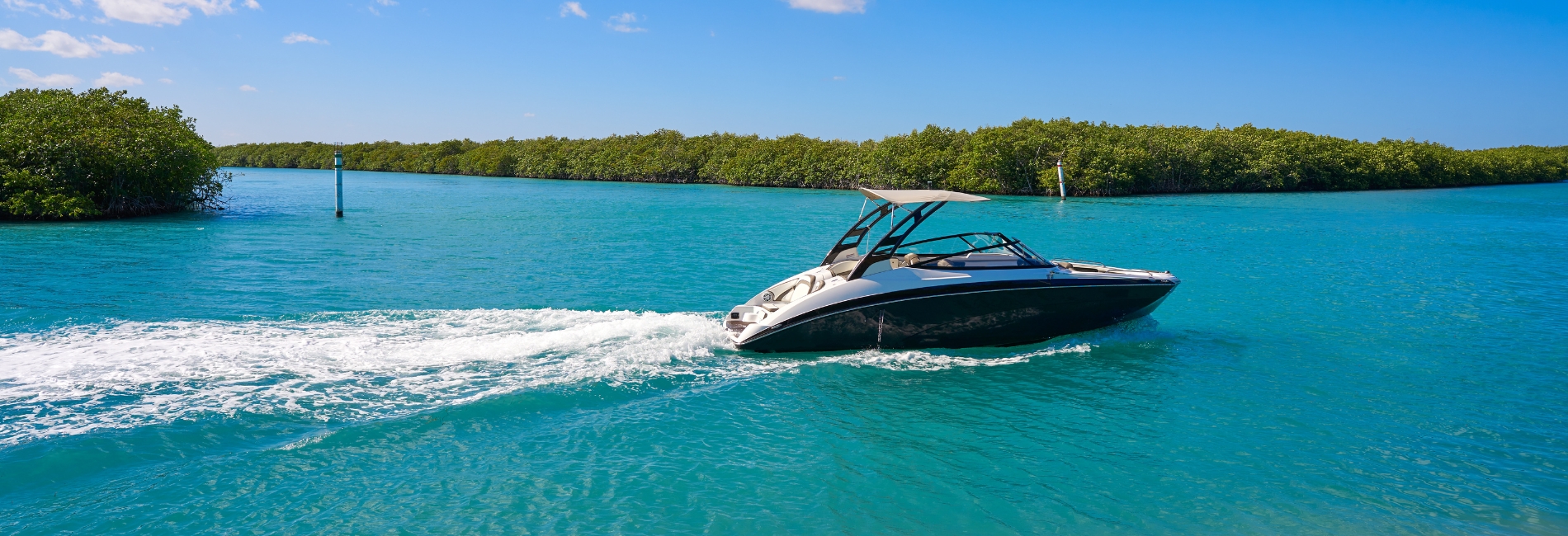
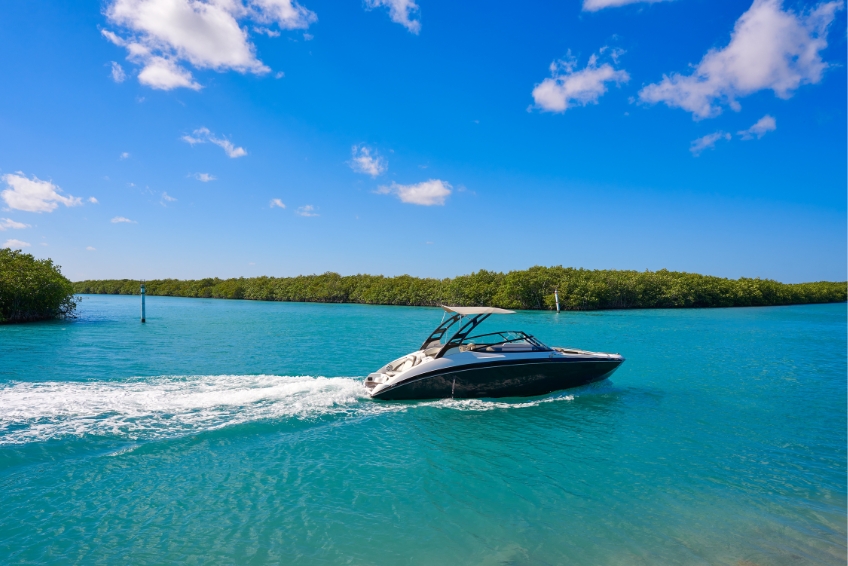
15. Discover Nichupte Lagoon
Nichupte Lagoon is a natural wonder with beautiful mangroves and water systems to explore. The awe-inspiring color of the lagoon is thanks to the mix of fresh and saltwater. There are a number of ways to see the lagoons including, kayak, sailboat, speedboat and more.
One of the best ways to discover the Nichupte Lagoon is by kayaking. As you explore the mangroves, keep an eye out for birds, fish, and even small crocodiles. This top-rated Guided Kayaking Tour is a half-day tour with hotel pick-up. We highly recommend the sunrise tour option if you want to see crocodiles sunning themselves on the shore!
If paddling isn’t your thing, consider this Wildlife Viewing Boat Tour that allows you to explore the lagoon with an English-speaking guide. The boat sails around 5 pm daily, and you will see an epic Caribbean sunset and all of the beautiful wildlife that calls Nichupte Lagoon home.
Cancun FAQ
Frequently Asked Questions
Is Cancun safe for tourists in 2026?
Yes, Cancun is safe for the vast majority of tourists. The Hotel Zone and popular tourist areas are heavily patrolled by police, and millions of visitors travel here each year without incident. Standard precautions apply: stick to well-lit areas at night, use your hotel safe for valuables, and watch your belongings on the beach. Our full guide above covers safety tips for both the Hotel Zone and downtown Cancun.
What is the best time of year to visit Cancun?
The dry season from December through April offers the best weather, with temperatures around 75 to 85 degrees Fahrenheit and very little rain. For fewer crowds and lower prices, visit in late April, early May, or mid-November. Hurricane season runs from June through November, peaking in September and October. We break down each season, holidays, and shoulder months in the full guide above.
How much does a week-long trip to Cancun cost?
A mid-range Cancun vacation for two typically costs $2,500 to $5,000 USD for seven nights, including flights, hotel, food, and activities. Budget travelers staying downtown can spend closer to $1,500 USD total, while luxury all-inclusive stays can exceed $7,000 USD. Flights from major US cities often run $250 to $500 USD round trip. Our guide above covers transportation, dining, and accommodation options at every budget level.
Do you need a passport to visit Cancun?
Yes, you need a valid passport to enter Mexico. US, Canadian, and EU citizens do not need a visa for tourist stays up to 180 days. As of 2023, Mexico no longer requires the paper FMM tourist card for air arrivals at Cancun airport. The immigration officer will stamp your passport at entry. Our full guide above covers entry requirements, customs procedures, and what to expect at the airport.
Is the tap water safe to drink in Cancun?
No, you should not drink the tap water in Cancun. Stick to bottled or purified water, which is inexpensive and available everywhere. Most hotels and resorts provide purified water or have filtered water stations. Ice at restaurants in tourist areas is typically made from purified water, but when in doubt, ask for drinks without ice. Our guide above covers additional health and safety tips for your trip.
How do you get from Cancun Airport to the Hotel Zone?
The Cancun Airport is about 10 miles (16 km) from the Hotel Zone, roughly a 20 to 30 minute drive. Pre-booked private shuttles cost around $30 to $60 USD one-way, while shared shuttles run about $15 USD per person. Airport taxis are available but charge higher fixed rates. Uber cannot pick up at the airport. We detail all your ground transportation options in the full guide above.
What is the best way to get around Cancun?
Public buses are the cheapest and most convenient option in the tourist areas. The R1 and R2 routes run 24 hours along the Hotel Zone boulevard and into downtown for around 12 pesos (about $0.60 USD) per ride. Taxis are plentiful but pricey, so always agree on a fare before getting in. Uber works in some areas but remains limited. Our full guide above covers buses, taxis, rideshares, and car rentals in detail.
What are the best things to do in Cancun?
Top activities include snorkeling or diving the Mesoamerican Barrier Reef, visiting the ancient Mayan ruins at Chichen Itza (a 2.5-hour drive), swimming in freshwater cenotes, exploring the underwater museum MUSA, taking a ferry to Isla Mujeres, and experiencing Cancun’s famous nightlife at clubs like Coco Bongo. From our experience, mixing beach days with day trips gives you the best of the region. The full guide above covers dozens of activities and excursions.
Can you get by speaking only English in Cancun?
Yes, English is widely spoken throughout Cancun’s Hotel Zone, resorts, restaurants, and tour companies. You will have no trouble communicating in tourist areas. Downtown and local neighborhoods are more Spanish-dominant, but basic transactions are still manageable. Learning a few Spanish phrases (like “por favor” and “gracias”) goes a long way and is always appreciated by locals. Our guide above includes culture and etiquette tips for visitors.
Is sargassum seaweed a problem on Cancun beaches?
Sargassum season typically runs from April through September, with severity varying year to year. Most Hotel Zone resorts clean their beaches daily, but during peak months the eastern-facing beaches can accumulate seaweed. For cleaner beaches during summer, consider visiting Isla Mujeres or Cozumel, which are largely protected from sargassum. We cover seasonal beach conditions and alternatives in the full guide above.
Should you tip in Cancun, and how much?
Yes, tipping is customary and expected in Cancun. Standard tips are 10 to 20 percent at restaurants, $1 to $2 USD per drink at bars, $2 to $5 USD per night for housekeeping, and 50 to 100 pesos for tour guides. You can tip in US dollars or Mexican pesos, and small US bills work well. At all-inclusive resorts, tipping is still appreciated even when gratuities are included. Our guide above covers money matters and currency exchange tips.
What are the best day trips from Cancun?
Chichen Itza is the most popular day trip, about 2.5 hours away, and is one of the New Seven Wonders of the World. Isla Mujeres is a quick 20-minute ferry ride with beautiful beaches and a laid-back vibe. The Yucatan’s freshwater cenotes (like Cenote Ik Kil and Gran Cenote) are within one to two hours. Tulum’s clifftop ruins are roughly a 90-minute drive south. Our full guide above covers these excursions and more, including the new Maya Train routes.
Where To Stay In Cancun
There are all types of wonderful accommodations in Cancun. From all-inclusive resorts to boutique hotels and more. Location and amenities are the two top things to look for. For information about the different neighborhoods and great hotel recommendations, check out our Cancun Hotel Guide and our Cancun All Inclusive Resorts Guide.

For hotel recommendations for every budget, check out our Cancun Hotel Guide
What To Eat In Cancun
Cancun is famous for its stunning beaches, pristine turquoise waters, and exciting nightlife. But on top of being an electrifying destination to visit, you can also find a wide range of wonderful bites to eat. If you’re looking for a culinary adventure in Cancun, check out our Cancun Restaurant Guide.

For great restaurant recommendations, check out our Cancun Restaurant Guide
More
MEXICAN CARIBBEAN
Cancun, Islands, Tulum and More

The Best Cancun All Inclusive Resorts
Cancun, Mexico is a dream destination for many travelers looking for sun, sand, and a luxurious getaway. Here is our guide to many of the best Cancun all inclusive resorts that you should definitely look into this year.

Cancun Restaurant Guide
Cancun, a famous resort town perched right on the Caribbean Sea, is blessed with stunning beaches, pristine waters, and exciting nightlife. On top of being an electrifying destination, Cancun has a fantastic variety of unique and wonderful places to eat!

The 5 Best Beaches in Cancun
Cancun beaches are some of the best in the world. The white sand of Cancun beaches is famous and the clear Caribbean waters make it easy to see tropical fish and other marine life. Here are the best beaches in Cancun!

The Best Cozumel All Inclusive Resorts
Cozumel has everything you could desire for a perfect tropical getaway; a warm climate, sparkling blue waters and friendly locals. Here are 7 of the best resorts on Cozumel with all inclusive amenities that you should definitely look into.
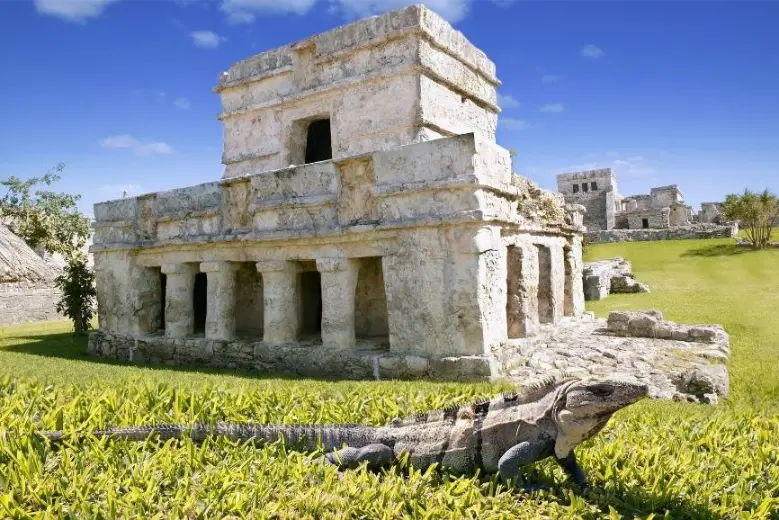
Tulum Visitors Guide
Tulum is an extraordinary destination on the Mexican Caribbean whose magic lies not only in the history of the ruins, but the energetic pull the city and sea have over those who come to visit. Here is our guide to the best of Tulum!

The Best Playa Del Carmen All Inclusive Resorts
Playa del Carmen has been a dreamy vacation destination for decades and it certainly isn’t slowing down now. Finding a great place to land is a breeze. Here are 10 of the best all-inclusive resorts in Playa del Carmen that you should definitely look into.

Cozumel Scuba Diving Guide
Get ready to step into the blue! Our Cozumel Diving Guide offers info for beginners and experienced divers alike. We've included top reef recommendations, dive resort recommendations and much more. Check out our Cozumel Diving Guide.

Cancun Hotel Guide
Welcome to our Cancun Hotels Guide! Whether you want luxurious beachfront resorts, family friendly accommodations, or affordable options, we've carefully selected the top rated hotels to suit all preferences.

The Best Tulum All Inclusive Resorts
Tulum is a beautiful beach town on the coast of Mexico’s Yucatan that combines high luxury options with hints of a bohemian vibe. Here are 10 of the best resorts in Tulum where guests can enjoy all inclusive amenities and more.

The Best Riviera Maya All Inclusive Resorts
Riviera Maya resorts offer all inclusive amenities and convenience in a luxurious tropical setting. Here is our list of the best Riviera Maya resorts in Cozumel, Tulum, Playa Del Carmen, Akumal and more.

Isla Mujeres Visitors Guide
Isla Mujeres is a beautiful small island off the coast of Mexico's Yucatan Peninsula. Often visited as pert of sailing expeditions from Cancun, Isla Mujeres has a lot to offer the island loving traveler. Here is our guide to the best of Isla Mujeres!
Cozumel Visitors Guide
The island of Cozumel holds a special place in our hearts. It’s a place where one can access all the modern amenities and STILL find numerous places to get away from it all! Here is some basic info to get you started and many of the best things to do in Cozumel.